


Burnout Prevention Activities That Help Your Mind Breathe Again

Burnout doesn’t occur all at once. It develops gradually through ongoing stress, constant notifications, and workdays that offer no real space for mental recovery.
It is a state caused by long-term, unmanaged workplace stress that slowly drains energy and focus over time.
That’s why Burnout Prevention Activities should be simple, repeatable, and easy to fit into everyday life.
Signs Your Mind Needs a Reset
Look for small signals before they grow:
You feel tired even after resting
Simple tasks feel heavier than usual
You avoid work you normally handle well
Your focus breaks quickly
You keep reaching for your phone during every pause
Your mind feels full, but not refreshed
These signs do not always need a big solution. Sometimes, the brain needs a better kind of pause.
Why Screen-Free Breaks Work Better
Not every break restores attention.
Scrolling may feel like rest, but it still gives the brain more input to process. Screen-free breaks create a cleaner pause by reducing digital noise and giving the mind a single calm task.
Helpful options include simple Burnout Prevention Activities that create space for recovery without adding more stimulation:
A short walk
Deep breathing
Stretching
Journaling
Quiet tea time
Hands-on creative play
A tactile challenge with hexes or tiles
How CogZart Creates Space for Mental Recovery
Not all breaks feel restorative.
Many activities distract the mind for a few minutes before returning it to the same mental clutter. CogZart takes a different approach by combining artistic exploration with focused attention.
Collections such as Antariksh, inspired by the wonder of space, invite the mind to slow down and explore beyond daily pressures. Designs rooted in Sacred Geometry encourage observation through balance, symmetry, and visual harmony. Other collections draw from symbolism, colour theory, surrealism, and storytelling, creating experiences that feel immersive rather than overwhelming.
This supports:
Focused attention
Creative thinking
Visual exploration
Patient decision-making
Calm concentration
Everyday cognitive wellness
Rather than consuming information, the mind becomes absorbed in discovery.

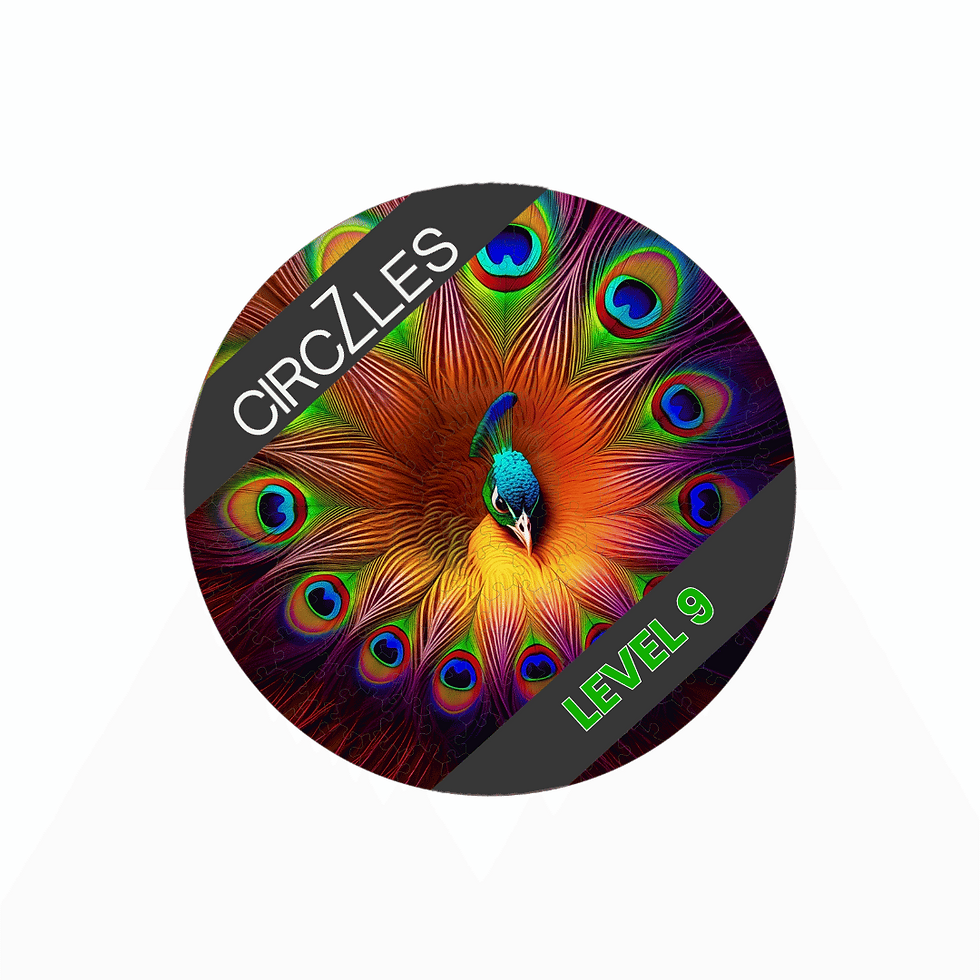
Why CircZles Feel Refreshingly Different
CircZles invite a different way of thinking.
Instead of moving from corner to corner, the eye follows circular pathways, colour flows, symbols, and interconnected patterns. Each section reveals new relationships, encouraging curiosity over urgency.
This makes circular puzzles particularly valuable for recovering from mental fatigue as they replace constant digital stimulation with focused exploration.
The result is a challenge that feels engaging without feeling exhausting.
A Simple Daily Reset Routine
Try this 15-minute ritual:
Small, consistent Burnout Prevention Activities often have a greater impact than occasional attempts to disconnect completely.
Put your phone away
Sit near natural light if possible
Choose one small section
Sort hexes by colour, curve, or symbol
Rotate slowly before placing
Stop before you feel rushed
Return later with fresh attention
This kind of short ritual can turn screen-free breaks into a steady mental wellness habit.
Best Times to Practice
Use tactile play when your mind feels overloaded:
After work
During lunch breaks
Before bedtime
Between meetings
On Sunday evenings
During family downtime
When your focus feels scattered
The goal is not perfection. The goal is recovery through calm participation.
Why This Matters
Research from the American Psychological Association shows mindfulness practices can reduce stress and support well-being. NIOSH also highlights the importance of healthier work design and stress-prevention efforts. These ideas connect naturally with simple, hands-on activities that support cognitive wellness.
Step away from the noise and discover a more mindful challenge with CogZart.
Citations
World Health Organisation – Burn-out as an occupational phenomenon https://www.who.int/news/item/28-05-2019-burn-out-an-occupational-phenomenon-international-classification-of-diseases
American Psychological Association – Mindfulness meditation and stress reduction https://www.apa.org/topics/mindfulness/meditation




Comments