


Your Mind Matters: Moving India from Stigma to Everyday Care
- Nov 21, 2025
- 3 min read
Updated: Dec 4, 2025

For decades, mental health in India meant crisis. Therapy, pills, or silence. But what if care didn’t have to wait for collapse? What if it began earlier—quietly, daily, and joyfully?
That’s Cogzart’s mission: to make mental fitness a part of everyday life, not a medical emergency. Because your mind matters—every single day, not just on World Mental Health Day.
India’s mental health paradox
India ranks among the top countries for stress, burnout, and anxiety—but also among the lowest for open conversations about it. The National Institute of Mental Health and Neurosciences (NIMHANS) reports that one in seven Indians experiences mental health issues, yet stigma keeps most from seeking help.
Only 15% of those needing mental health support in India receive it. The rest quietly endure, normalize, or hide their struggle. — NIMHANS National Mental Health Survey
Cogzart isn’t built for the “few who are struggling.” It’s built for the many who are coping—those in the in-between, managing stress before it snowballs.
From awareness to everyday action
Awareness is good. Routine is better.
Most campaigns talk about why mental health matters; few show how to care for it daily.
Cogzart fills that gap by offering screen-free, tactile rituals that train your brain the way yoga trains your body.
Circzles, Affirmative Coloring Books—turn care into practice, art into science, and routine into resilience.
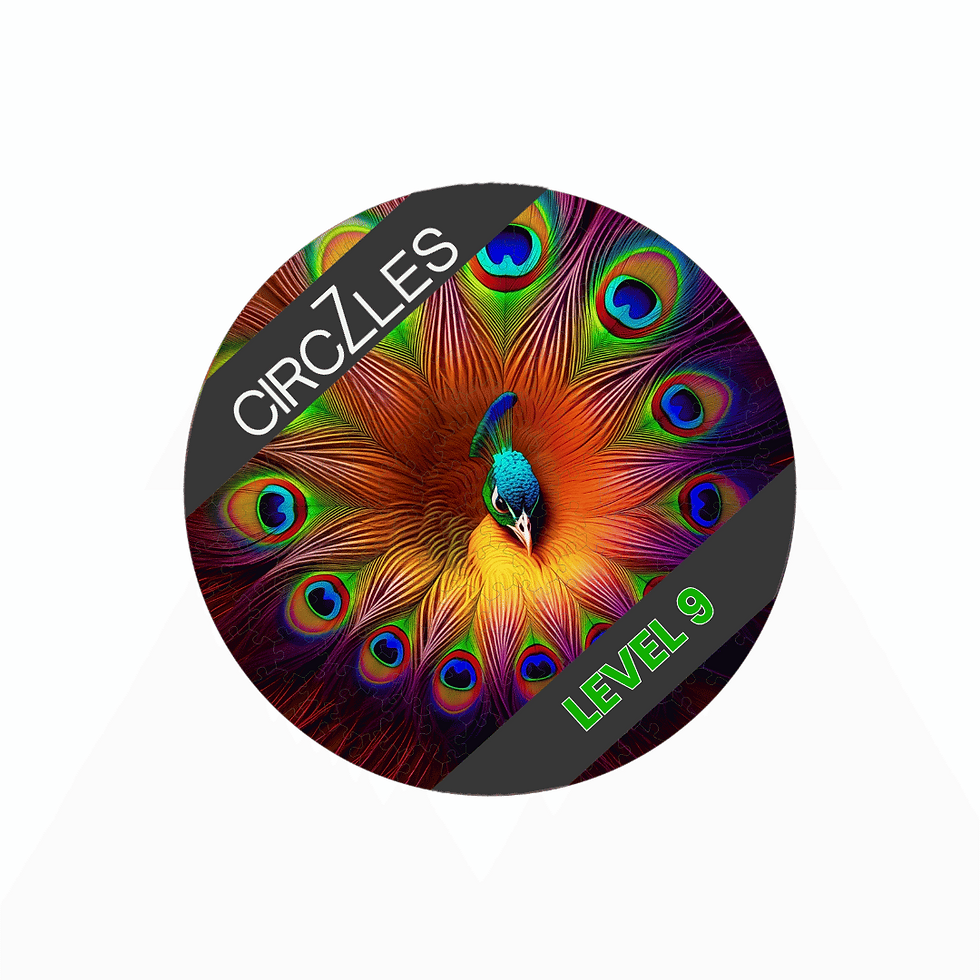
Circzles: modular wooden puzzles that strengthen focus and patience.
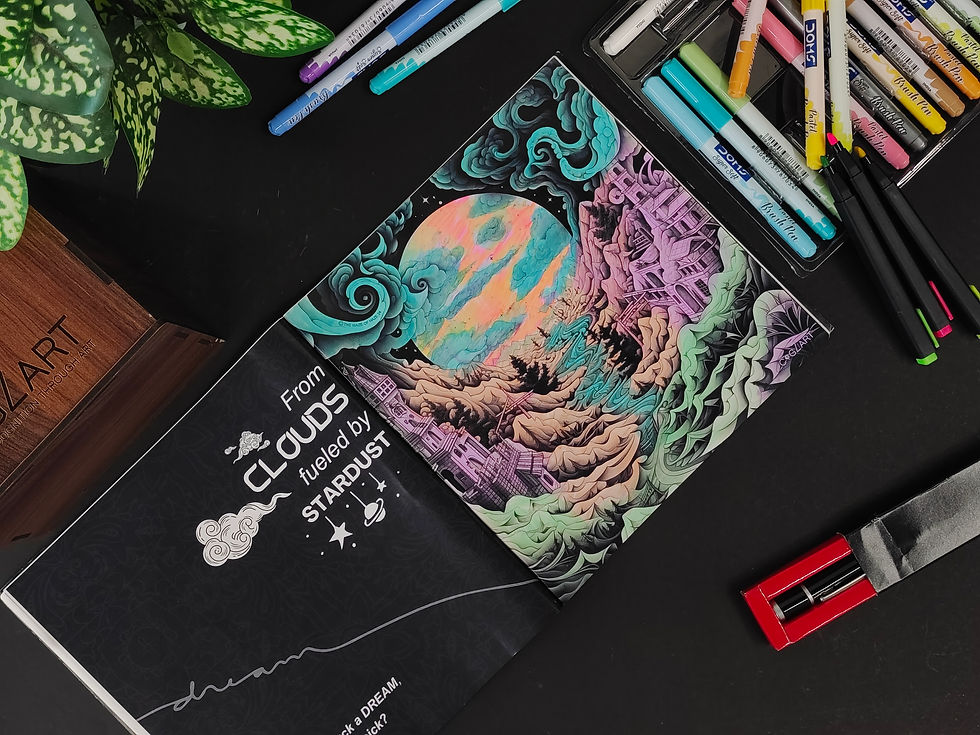
Affirmative Coloring Books: visual affirmations that channel stress into color.
Each one acts like a micro-intervention: tiny, repeatable actions that shift your brain from survival to self-awareness.
The neuroscience behind preventive care
The brain thrives on repetition. Consistent tactile play activates neuroplasticity—the brain’s ability to form new connections and adapt to stress.
By engaging both hemispheres (creative + logical), Cogzart’s products help regulate emotion, rebuild focus, and train resilience—long before symptoms appear.
Neuroscientific studies show that structured art-making lowers cortisol levels, improves mood regulation, and enhances cognitive flexibility—all markers of long-term mental fitness.
In other words, Cogzart doesn’t wait for breakdowns. It builds mental immunity.
Cultural shift: from “treatment” to “training”
India’s wellness culture celebrates yoga, meditation, and Ayurveda—but cognitive health is still treated as taboo. Cogzart bridges that gap by rebranding mental health as brain health—neutral, measurable, and proudly routine.
No stigma. No jargon. Just play, progress, and preventive care you can hold in your hands.
Everyday care, the Indian way
Cogzart’s approach fits seamlessly into Indian lifestyles:
Workspaces: quick Circzles sessions during breaks—team calm instead of team chaos.
Homes: coloring books for families that color together instead of scrolling together.
Festivals: gifting mindfulness instead of sweets or swag.
Because wellness isn’t imported—it’s integrated.
The movement: preventive, playful, proud
Cogzart isn’t a product brand. It’s a cultural nudge.
A call to replace stigma with small daily steps. To make brain care visible, beautiful, and proudly Indian.
When we normalize creativity, play, and reflection as mental hygiene, we don’t just fight stigma—we end it.
Citations:
National Mental Health Survey, NIMHANS (2016) – 1 in 7 Indians experiences a mental disorder; treatment gap over 80%.
Frontiers in Psychology (2016) – Art-making for 45 minutes reduced cortisol levels in 75% of participants.
World Health Organization (2022) – Preventive mental health programs can cut long-term healthcare costs by up to 30%.






Comments