


Why Pick a Puzzle Over a Pill? Preventive Mental Health Care
- Nov 26, 2025
- 2 min read
Updated: Dec 4, 2025
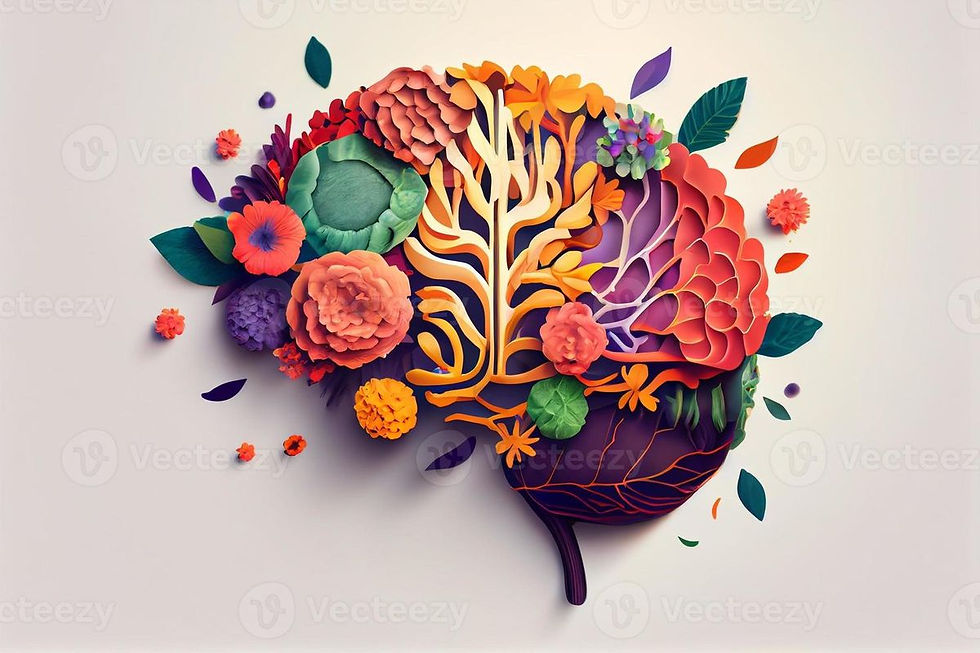
Let’s face it, India’s mental health conversation usually begins after the breakdown. Medication, therapy, diagnosis… all vital, but all reactive. At Cogzart, we believe in a simpler truth: you can train your brain before you treat it.
In the same way we brush our teeth to prevent decay, we can exercise our minds to prevent burnout, anxiety, and attention collapse. And sometimes, that “exercise” looks like picking up a puzzle instead of a pill.
The problem: we wait too long to care
Most Indians still treat mental health like an emergency button. But by the time symptoms show up, chronic stress, fatigue, emotional numbness—our neural pathways are already worn down.
According to the National Mental Health Survey (NIMHANS), India faces an 80% treatment gap, with one in seven people experiencing some form of mental health challenge. Most never seek help until the mind is in crisis.
It’s not just a stigma issue—it’s a system design flaw. We were never taught how to maintain our cognitive health, only how to repair it.
The Science of Preventive Brain Care
Your brain is plastic—it rewires based on what you repeatedly do. Every time you engage in structured, mindful, creative play, you activate circuits that regulate stress, improve focus, and stabilize mood.
Art-making reduces cortisol, the stress hormone.
Pattern-solving enhances dopamine flow, boosting motivation.
Tactile engagement grounds the nervous system in the present moment.
A 2016 Frontiers in Psychology study found that 45 minutes of art-making significantly reduced cortisol levels in 75% of participants—without any prior art experience.
Cogzart’s circzles puzzles and Affirmative Coloring Books build on this research, transforming creativity into a form of mental fitness training.

Puzzles as Preventive Medicine
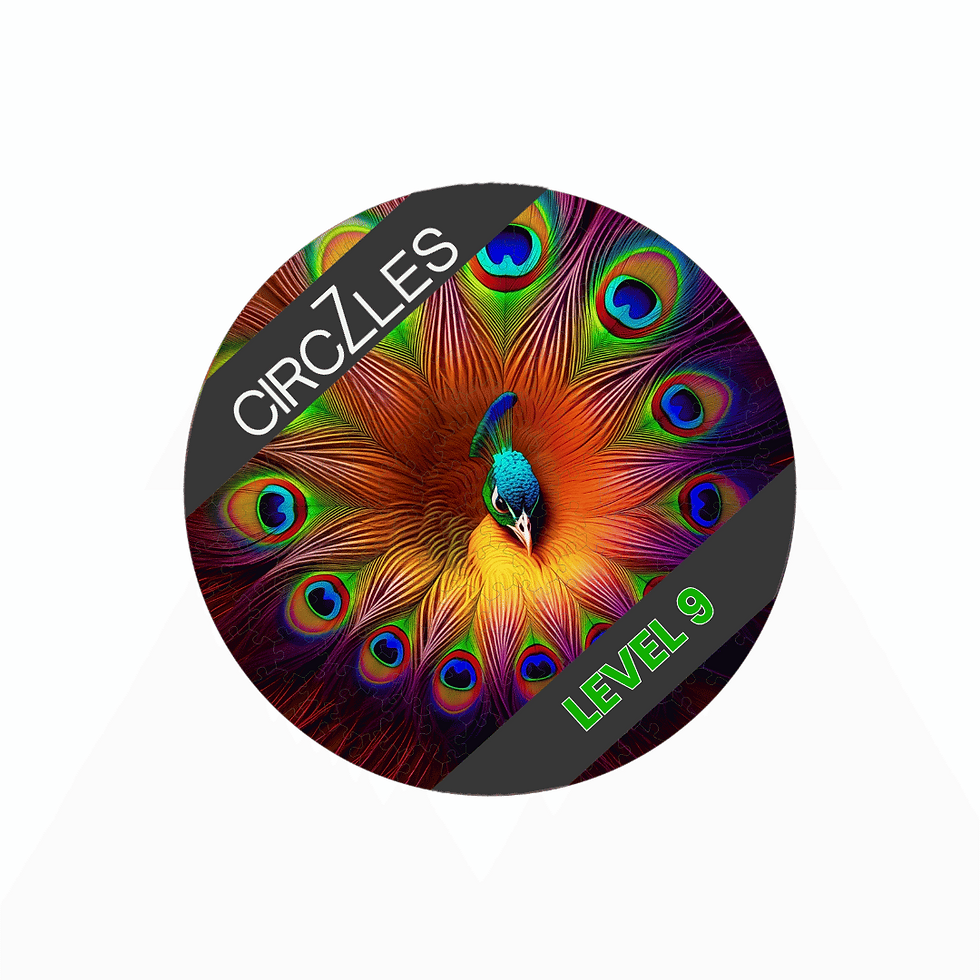
Think of Circzles, Cogzart’s modular wooden puzzles, as your brain’s dumbbells. Each session improves pattern recognition, patience, and attention span—the exact cognitive skills most impacted by stress and digital distraction.
Similarly, Affirmative Coloring Books (ACBs) use color, shape, and repetition to quiet the mind and regulate emotion. When combined with the Chromatic Scale that makes progress visible, they offer something medication never can—a sense of calm you can actually see.
No side effects. No stigma. Just small, joyful acts of prevention.
The Bigger shift: from treatment to training
Medication and therapy remain crucial for those who need them. But prevention belongs to everyone.
Cogzart is building a culture where mental care becomes as routine as skincare—daily, beautiful, and stigma-free. Because it’s not about choosing between pills and puzzles—it’s about changing when care begins.
Old mindset: “I’ll rest when I’m burned out.”
New mindset: “I’ll recharge daily so I never reach burnout.”
The Cogzart method: art, science, and play
Every Cogzart tool blends tactile design, neuroscience, and creativity:
Circzles: build focus through pattern-based flow.
Affirmative Coloring Books: color-coded affirmations for calm.
CogBox: a monthly refill of screen-free micro-rituals that make consistency easy.
Together, they form India’s first ecosystem for preventive mental fitness—a practical alternative to reactive healthcare.
Citations:
National Mental Health Survey (NIMHANS, 2016): 1 in 7 Indians face mental health challenges; 80% treatment gap. Ministry of Health and Family Welfare
Frontiers in Psychology (2016): Art-making for 45 minutes reduced cortisol in 75% of participants.
World Health Organization (2022): Every $1 spent on mental health promotion yields a $4 return in health and productivity.




Comments