


Thumb Tired, Mind Wired: How Digital Overstimulation from Endless Scrolling Fractures Attention
- Dec 8, 2025
- 3 min read
Updated: Dec 13, 2025

The New Normal: Scroll to “Relax”
Your thumb scrolls even when your mind doesn’t want to. One swipe turns into twenty, and suddenly you’re tired, tense, and strangely wired. You picked up your phone “just to relax,” but walked straight into digital overstimulation, that state where your brain is overloaded with fast, fragmented input.
This isn’t about weak willpower. It’s about how your brain responds to apps designed to keep you swiping.
What Is Digital Overstimulation Doing to Your Focus?
Most swipe-based platforms are built around micro-dopamine hits—tiny bursts of pleasure in exchange for almost no effort. Over time, your brain starts preferring:
quick hits over deep satisfaction
novelty over depth
stimulation over stillness
That’s when focus starts to fracture. Reading a page, finishing a task, or staying with one thought can feel like pushing through mental fog.
Digital overstimulation often looks like:
difficulty staying with one task
a restless, fidgety mind
a constant “background buzz” in your nervous system
Your thumb isn’t the villain. The swipe-to-reward loop is.
Why “Just Use Less Screen” Isn’t Enough
Common advice is:
“Take a digital detox,” “Use a screen-time app,” “Delete social media.”
Helpful in theory. Hard in real life.
Your brain doesn’t just need less input; it needs different input. Digital content keeps your mind racing. What you really need is something that slows your system down, anchors your attention, and brings you back into your body.
That’s where tactile, screen-free play comes in.
How Tactile Play Counters Digital Overstimulation
When you engage your hands, turning, aligning, coloring, tracing patterns, your attention starts to land. Areas of the brain linked to calm, emotional regulation, and sustained focus light up, while the noise of digital overstimulation turns down.
Cogzart is built around one simple idea:
Move your hands → calm your mind → train your focus.

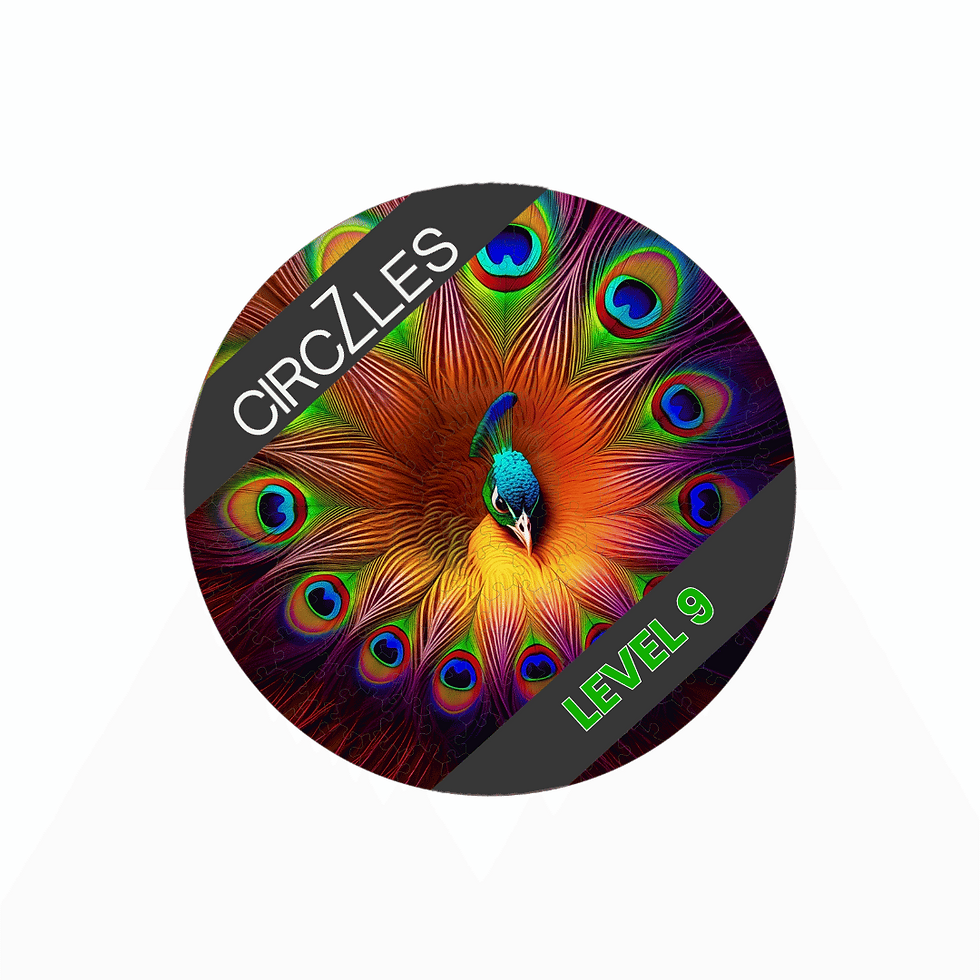
Circzles
With Circzles, you’re not just doing a puzzle. You’re:
rotating and aligning precision pieces
following patterns
gently stretching your attention span
The Chromatic Scale shows your progress from Initiation (Yellow) to deeper levels of focus and challenge. Your brain still gets a reward—but from solving, not scrolling.
Affirmative Coloring Books (ACBs)
With Affirmative Coloring Books, you slow your mind one stroke at a time. Instead of explosive novelty, you get soothing repetition and affirming messages. Five mindful minutes with a page can do more for your clarity than fifteen distracted minutes with your feed.
Simple Rituals to Break the Scroll
You don’t have to quit your phone to reduce digital overstimulation. You just need better breaks.
Try:
Your Mind Matters
Digital overstimulation isn’t going away. But how you respond to it can change.
At Cogzart, we believe you should train your brain before you treat it. Play isn’t childish, it’s essential. Give your mind something better to hold than a screen.
Your thumb can stay tired.
Your mind doesn’t have to stay wired.
Your Mind Matters.
Citation
Mobile phone short video use negatively impacts attention functions: an EEG study.” Frontiers in Human Neuroscience, 2024. This research found a negative relationship between short-video use and executive control, which supports the claim that constant swiping weakens sustained attention. Link






Comments