


Screen Hangover? How 15 Minutes of Play Can Reset Your Nervous System
Updated: Dec 15, 2025

Screen Hangover? How 15 Minutes of Play Can Reset Your Nervous System
There’s a very specific kind of tired that only screens can create. It’s not physical exhaustion—it’s mental static. Your eyes feel sandpaper-dry, your thoughts move in fragments, and your brain refuses to settle even though all you want is silence. That foggy, buzzy state is a screen hangover, and it’s become the default for many of us.
What’s happening isn’t mysterious. Screens pull your attention open all day, but never help you bring it back to center. Your nervous system ends up overstimulated, alert when it should be resting, tired but unable to settle. Fixing this doesn’t require a weekend detox or deleting apps, it just needs the right kind of break.
That break is tactile play.
Why Screens Drain You More Than You Realize
When you scroll, swipe, and tap for hours, your brain stays in a low-grade “ready” state, constantly anticipating the next notification, the next reel, the next red dot. It’s a loop of micro-stress signals that never gives your nervous system a full exhale.
Over time, this creates a strange mix of physical stillness and mental frenzy. You're sitting, but your brain is sprinting. That’s the essence of a screen hangover.
The 15-Minute Reset Your Brain Craves
Your nervous system calms fastest when your hands are engaged in slow, intentional movement. Tactile play activates the parasympathetic system, the part responsible for slowing your heart rate, steadying your breath, and turning mental noise into something more manageable.
What’s beautiful about this reset is how little it demands. You don’t need to meditate perfectly or journal deeply. You just need your hands to do something real, rhythmic, and grounding. In about fifteen minutes, your brain starts to shift from wired to steady.
ACBs: When You Need to Slow Down,
Not Shut Down
If puzzles offer structured focus, Affirmative Coloring Books offer emotional release. Coloring gives your mind a slower rhythm to follow. Your breath settles. Your thoughts loosen. The simple act of choosing a shade and filling a shape brings your nervous system back into the body after hours spent floating in digital space.
There’s no pressure to be artistic. You just follow the motion, and your mind follows you back into calm.

Circzles: A Calm-By-Design Break for the Modern Brain
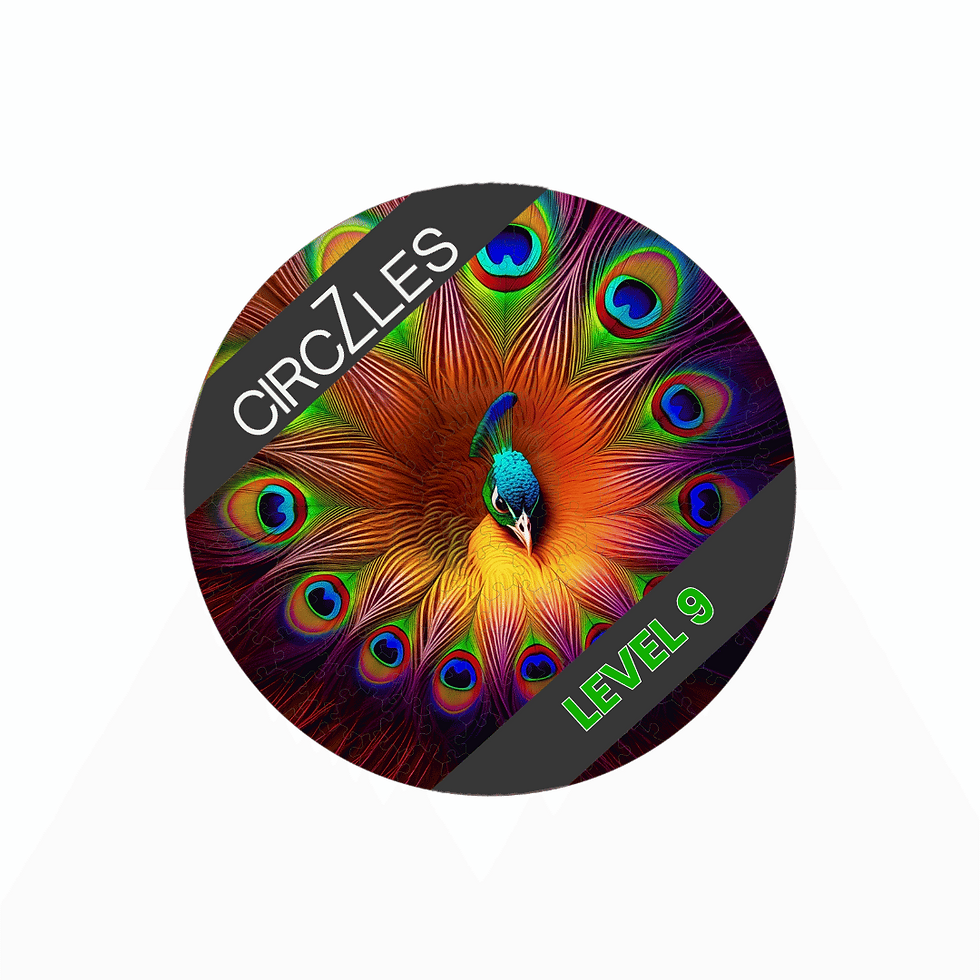
Cogzart’s Circzles puzzles are built for moments exactly like this. The coolness of wood, the gentle resistance of each piece, and the way the patterns unfold draw your senses outward and your awareness inward. Instead of staring into pixels, you’re interacting with something physical, something your nervous system instinctively understands.
Why Tactile Play Works Better Than a Digital Detox
Most people try to recover from screen fatigue by doing… more screen things: watching something “relaxing,” scrolling more gently, or hopping between apps. But rest doesn’t happen through avoidance. It happens through replacement—swapping frantic visual stimulation for grounded sensory experience.
Tactile play gives your mind the contrast it’s starving for: softness instead of brightness, texture instead of pixels, rhythm instead of randomness.
Citation:
An ethnographic study was conducted in two academic research centres. The article is centrally directed at the role of digital technologies and devices in contemporary academic work, and more particularly at the role of the screen in the daily composition of this work. Link
The study examined the effectiveness of different types of art activities in the reduction of anxiety. After undergoing a brief anxiety-induction, 84 undergraduate students were randomly assigned to color a mandala. Link




Comments