


From Perfectionism to Play: Art as a Safe Space to Be “Bad” at Something
Updated: Apr 8

From Perfectionism to Play: Art as a Safe Space to Be “Bad” at Something
Perfectionists rarely play.
We grow up believing everything we do must be polished, purposeful, or productive. With that mindset, art becomes intimidating, too open, too messy, too easy to “get wrong.” So we avoid it, even when our minds crave a pause.
But here’s the truth: art isn’t about being good. It’s about being free. And for perfectionists, learning to be “bad” at something can be one of the most healing experiences of all.
Cogzart’s creative tools were built for exactly this, for adults who need a safe space to create without pressure, praise, or performance.
Why Perfectionists Struggle to Create
Perfectionism thrives on control and certainty.
Art thrives on exploration and surprise.
Naturally, the two clash.
A perfectionist’s mind tends to ask:
“What if it doesn’t look nice?”
“What if I mess it up?”
“What’s the point if it’s not perfect?”
These questions shut down curiosity before it begins. The fear of imperfection becomes louder than the desire to create.
But creativity isn’t a test. It’s a playground. And when perfectionists step into play, their nervous systems finally get a moment to soften.
Art Regulates Stress, Even When the Art Isn’t “Good”
Research consistently shows that rhythmic, tactile creative activities reduce cortisol and improve mood, even if the outcome isn’t aesthetically impressive.
Because the benefit isn’t in the result.
It’s in the process.
The hand movement, the steady breathing, the sensory focus, all of it tells your brain, “You’re safe to slow down.” You don’t have to excel. You just have to exist.
ACBs: A Judgment-Free Zone for Creative Beginners
Cogzart’s Affirmative Coloring Books (ACBs) were designed to remove the intimidation from creativity.
There’s no blank page to fight, no difficult choices, no fear of messing anything up. The lines are there to guide you, the patterns are manageable, and the embedded affirmations soften the inner critic.
With the Chromatic Scale, from Initiation (yellow) to Extreme Bondage (purple), you choose your comfort level. Some days you keep it simple. Other days, you push gently into more complex motifs. There is no right way. Only your way.

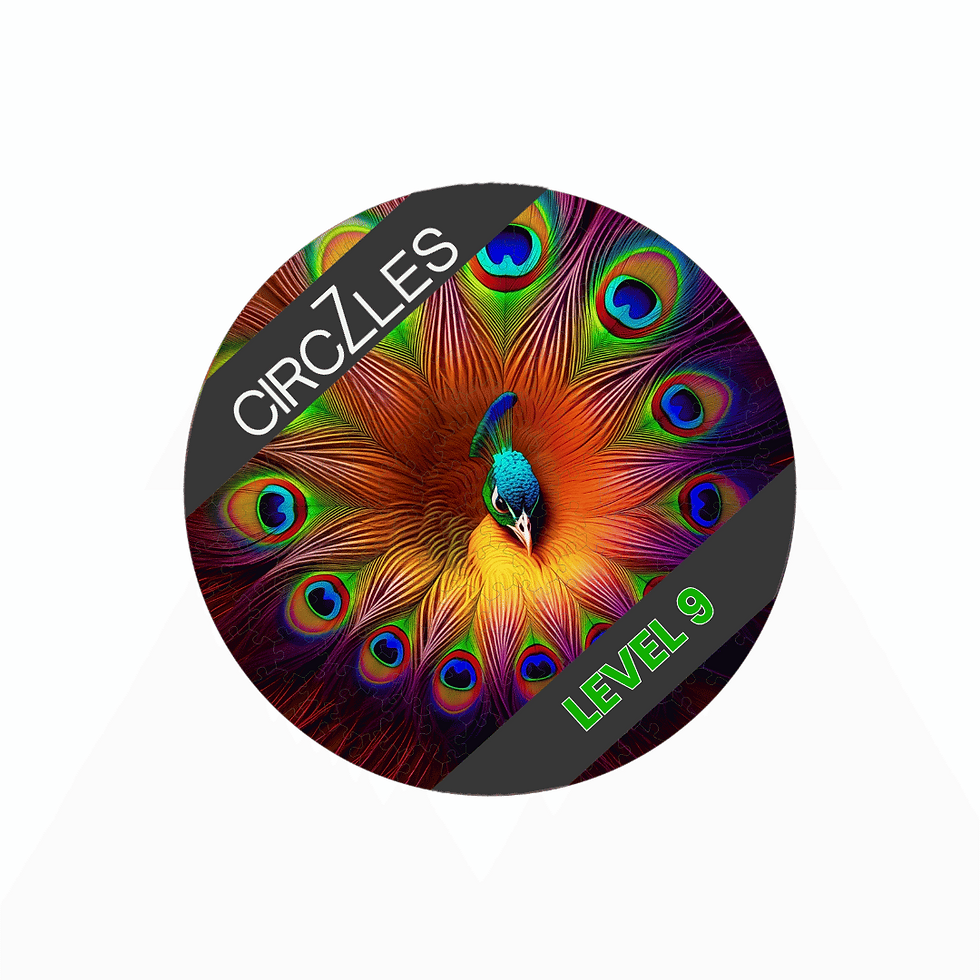
Circzles: Play That Doesn’t Judge You Back
Circzles give perfectionists something they rarely find: a challenge without pressure. The pieces don’t shame you if you place them wrong. The patterns don’t demand precision. The journey through the Chromatic Scale feels like exploration, not evaluation.
It’s play in its purest form: tactile, absorbing, and deeply forgiving.
Imperfect Art Builds Emotional Flexibility
Allowing yourself to be “bad” at something builds resilience. It loosens rigid thinking. It teaches your brain to tolerate uncertainty and enjoy the unexpected. Over time, this flexibility spills into the rest of your life—work, relationships, decisions—softening the perfectionist edges that once felt permanent.
You don’t need to master art. You just need to let it move you.
Citation:
[BOOK] Art and emotion
D Matravers - 2001 - books.google.com
attitudes of a certain sort with the responses they characteristically cause: those which …
Save Cite Cited by 362 Related articles All 8 versions
A Abbing, L de Sonneville, E Baars, D Bourne… - Plos one, 2019 - journals.plos.org
during the artwork (task monitor), … different art materials (shift), and learn to explore and regulate …
Save Cite Cited by 62 Related articles All 11 versions




Comments