


Is Your Mind on Your To-Do List? Rethinking Wellness Beyond Diet and Steps
- Dec 3, 2025
- 3 min read
Updated: Dec 4, 2025

Is Your Mind on Your To-Do List? Rethinking Wellness Beyond Diet and Steps
Every New Year, every Monday, every fresh start, we write the same to-do list: drink more water, walk 10,000 steps, eat clean, sleep better. But rarely do we write the one habit that affects all the others: take care of your mind.
In India, wellness has become numbers-driven, calories, steps, macros, sleep scores.Yet mental fatigue, emotional overwhelm, and attention burnout are at an all-time high.
The truth is simple:
If your mind isn’t well, nothing else stays well for long.
Cogzart was built on this gap. Wellness shouldn’t stop at the neck; it should include the brain that powers every choice you make.
India’s Wellness Boom Forgot the Mind
We’ve perfected routines for skin, diets, fitness, supplements, even hydration. But ask someone what their daily mental fitness ritual is, and silence fills the room.
This isn’t because people don’t care. It’s because mental care feels:
complicated
clinical
time-consuming
or meant “only for people who are struggling”
Yet the NIMHANS survey shows 1 in 7 Indians face mental health challenges, most silently.
The problem isn’t lack of awareness. It’s lack of simple, stigma-free entry points into mind care.
The Real Marker of Wellness: Cognitive Strength
Wellness is more than steps and salads. It’s the ability to think clearly, stay present, manage emotions, and bounce back when days get messy.
This is where cognitive wellness enters the picture.
Healthy cognitive habits improve:
Focus
Patience
Stress tolerance
Emotional balance
Decision-making
Creativity
The best part?
You don’t need therapy hours or long meditation sessions. You need consistent, tactile, sensory engagement that actually resets your nervous system.
How Cogzart Brings the Mind Back Into Daily Wellness
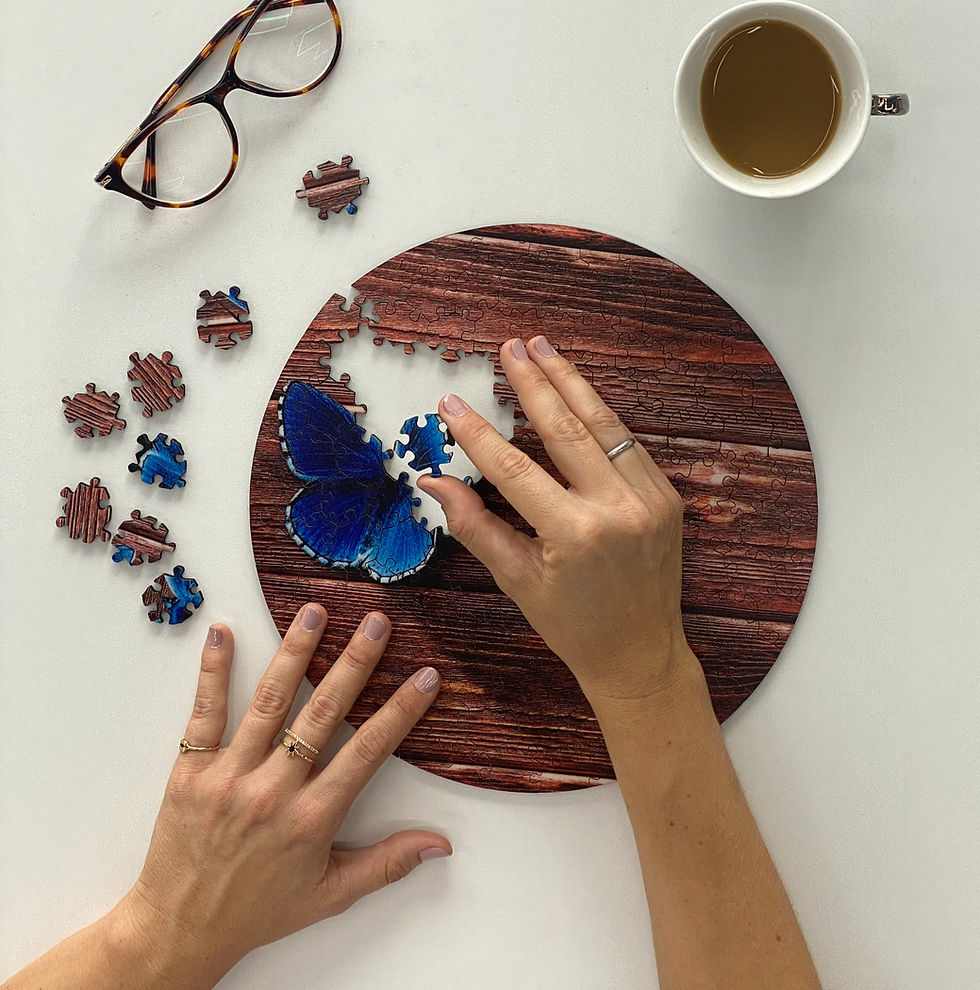
Cogzart’s screen-free tools turn mental fitness into everyday micro-rituals.
Circzles
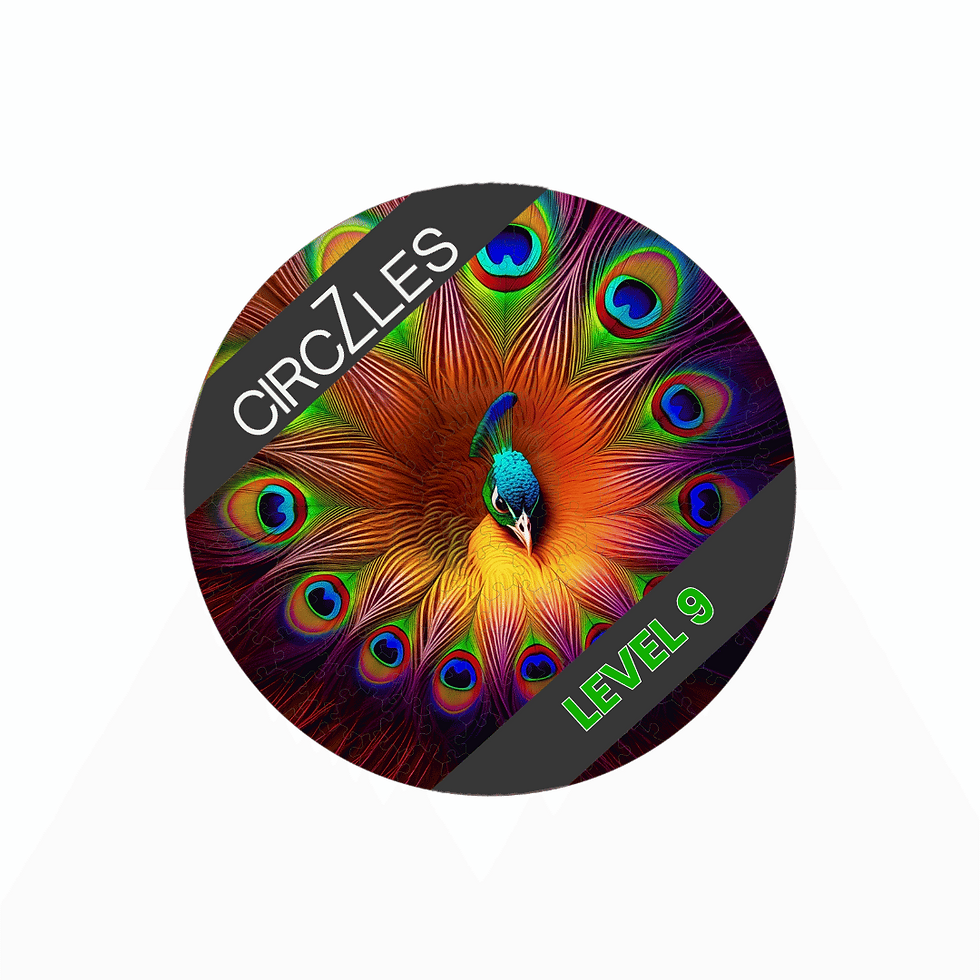
Circzles wooden puzzles turn everyday downtime into a genuinely satisfying mental refresh. With premium wooden pieces and rich, detailed artwork, each puzzle pulls you into a focused flow state, quieting background stress, sharpening attention, and giving your brain that “ahh, finally” feeling.
They’re perfect for short, feel-good breaks or longer unwind sessions. Even a few minutes of fitting pieces together can reset your mind between tasks, boost patience, and leave you calmer and more present. It’s playful, wholesome problem-solving that doubles as therapy, one click-fit at a time.
Affirmative Coloring Books (ACBs)
Affirmative Coloring Books (ACBs) make it easy to slip into a calm, creative zone without needing “art skills” or extra time. Each session feels light, welcoming, and pressure-free—so your mind settles, your mood evens out, and your creativity starts flowing naturally.
They’re ideal for tiny breaks that actually work. Even a 5-minute coloring reset between tasks can help you release stress, clear mental clutter, and return to your day feeling steadier and more focused. Keep one on your desk, open to any page, and let the colors do the heavy lifting.
Chromatic Scale
A color-coded system that reflects progress in focus, skill, and calm—making mental growth visible and motivating.
Together, these tools redefine mental care as simple, joyful, and tactile.
Wellness That Starts With the Mind
The reason diets fail, sleep cycles break, and routines collapse is simple: a tired mind cannot sustain healthy habits.
When cognitive health improves:
Willpower strengthens
Emotions stabilize
Stress becomes manageable
Consistency becomes natural
Your mind is the engine behind your wellness. When you care for it, everything else aligns.
Make Mind Care a Daily Ritual
Start small. Start tactile. Start playful.
Try:
These tiny rituals shift your brain from autopilot to aware, stressed to centered-without screens, pressure, or perfection.
Citation:
India’s mental-wellness gap is real and wide.
The National Mental Health Survey of India (NIMHANS 2015–2016) found that approximately 1 in 7 Indians lives with a mental-health condition, and the overall treatment gap ranges from 70% to 92%—meaning most people receive no formal support despite growing stress and emotional overload.
(National Institute of Mental Health and Neurosciences, NMHS 2015–16) Link
Mental fatigue and cognitive overload are rising globally.
The World Health Organization notes that chronic stress, digital overload, and modern work patterns are causing increased levels of fatigue, anxiety, and impaired concentration—highlighting the need for daily mental-wellbeing practices, not only reactive care. Link






Comments