


How to Improve Memory: A Guide to Cognitive Wellness

The human brain possesses an extraordinary capacity for growth and adaptation. Throughout life, our minds remain capable of forming new neural connections, a process known as neuroplasticity. Cultivating this potential requires consistent stimulation and novelty. For those seeking to enhance their cognitive reserve, finding engaging, creative, and challenging activities is the first step toward a sharper mind.
Effective Ways to Improve Memory
Memory thrives on attention, association, and repetition. When we engage in complex tasks that require full concentration, we strengthen the neural pathways responsible for information retention. Active engagement, such as solving intricate problems or learning a new skill, signals the brain to prioritize these connections.
Research indicates that visually stimulating activities and tactile experiences significantly boost cognitive function. By involving multiple senses—touch, sight, and spatial reasoning—we create richer memory traces. This multisensory approach is often more effective than rote memorization. Understanding how to improve memory involves embracing activities that challenge logic while simultaneously delighting the senses.
Tangible Solutions for a Sharper Mind
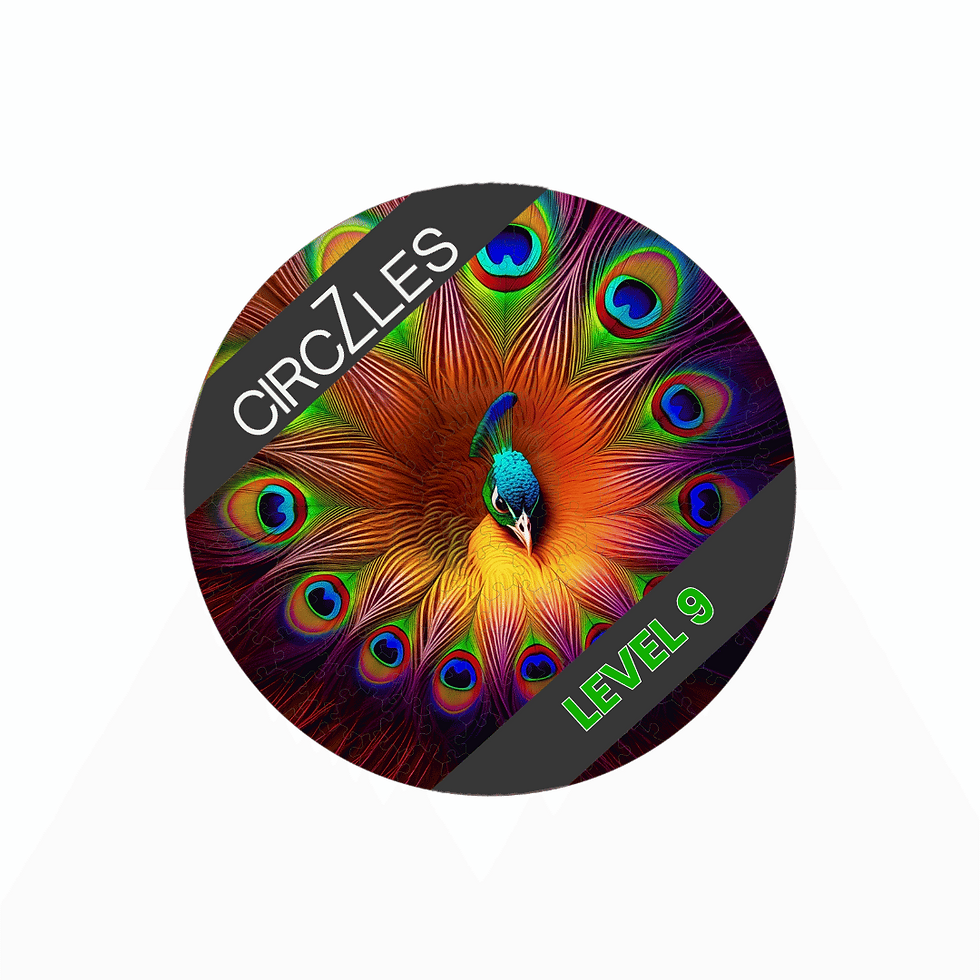
This is where the intersection of art and cognitive science shines. At CogZart, the focus remains on creating tools that serve as both mental gymnasiums and aesthetic masterpieces. The signature "CircZles"—unique, circular wooden puzzles—provide the perfect medium for this cognitive workout. Unlike digital games, these wooden artifacts offer a grounding, tactile experience that encourages deep focus.
Engaging with the "Sacred Geometry" collection or the "Introspective Collection" requires the solver to recognize patterns, visualize shapes, and anticipate outcomes. This process directly stimulates the prefrontal cortex, the area of the brain associated with complex cognitive behavior and decision-making. Furthermore, completing a "Carbon Based Life" puzzle offers a profound sense of achievement. Once solved, these puzzles become permanent fixtures of beauty in your home, preserved on a Puzzle Saver Board, serving as a constant reminder of your mental agility.

Flow States and Relaxation
True cognitive enhancement also stems from relaxation. Stress can often cloud judgment and hinder recall. Activities that induce a "flow state"—where one becomes fully immersed in the task at hand—act as a powerful antidote. Assembling a beautifully crafted puzzle allows the mind to quiet down, reducing external noise and enhancing clarity. This state of active meditation refreshes the mind, making it more receptive to retaining new information.
By integrating these artistic brain challenges into your routine, you choose a path of continuous improvement. A vibrant memory supports a rich, fulfilling life, enabling you to cherish experiences and learn with ease.
Citations:
The impact of puzzles on cognitive function: Fissler, P., et al. (2018). Jigsaw Puzzling Taps Multiple Cognitive Abilities and Is a Potential Protective Factor for Cognitive Aging. Frontiers in Aging Neuroscience. Available at: https://www.frontiersin.org/articles/10.3389/fnagi.2018.00299/full
Art and neural connectivity: Bolwerk, A., et al. (2014). How Art Changes Your Brain: Differential Effects of Visual Art Production and Cognitive Art Evaluation on Functional Brain Connectivity. PLOS ONE. Available at: https://journals.plos.org/plosone/article?id=10.1371/journal.pone.0101035
Neuroplasticity and learning: Shaffer, J. (2016). Neuroplasticity and Clinical Practice: Building Brain Power for Health. National Institutes of Health (NIH). Available at: https://www.ncbi.nlm.nih.gov/pmc/articles/PMC4960264/




Comments