


From Stress to Flow: The Neuroscience of Hands-On Creativity
Updated: Dec 4, 2025

In an age where our minds rarely rest, the antidote isn’t another app—it’s our own hands.
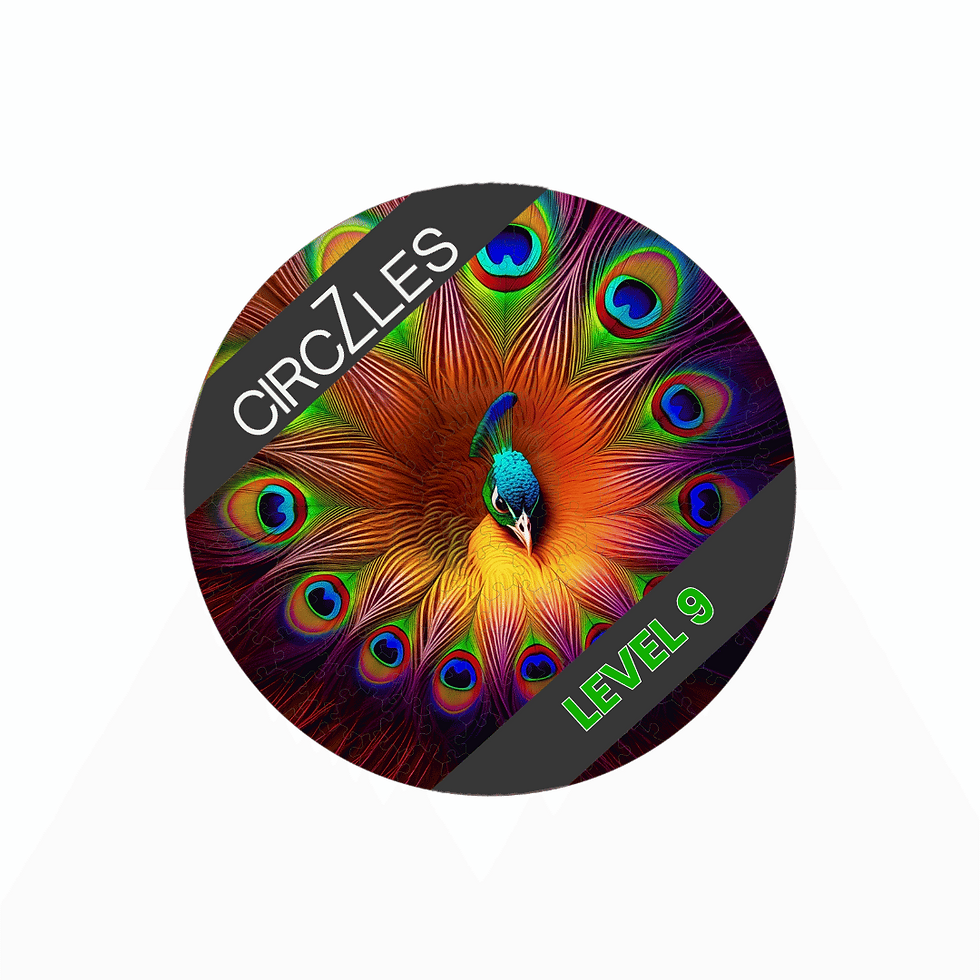
When you draw, assemble, or color, you’re not “wasting time.” You’re triggering one of the brain’s most powerful natural states: flow—a zone of deep focus where stress quiets, and clarity sharpens. At Cogzart, every tactile experience—from CircZles to Affirmative Coloring Books—is designed to make that shift visible and repeatable.
What Happens to the Brain Under Stress
When the brain detects threat—deadlines, pings, constant decisions—it floods with cortisol and adrenaline. These hormones narrow focus to survival mode, blocking creativity and calm. Chronic stress locks you into this loop, shortening attention spans and reducing cognitive flexibility.
According to the American Psychological Association, chronic stress physically alters the hippocampus, the brain’s learning and memory center.
Why Hands-On Creativity Works
Hands-on activities engage the sensorimotor network, pulling attention away from abstract worry loops into tangible action.
This shift activates the parasympathetic nervous system—your body’s “rest and restore” mode—slowing heart rate and lowering cortisol.
In short: when your hands move with purpose, your brain moves from chaos to coherence.
That’s the neuroscience Cogzart builds on: turning simple, sensory acts—like rotating a CircZle piece—into micro interventions that retrain attention and emotion.

Flow: The Brain’s Natural Reward
Neuroscientist Mihaly Csikszentmihalyi calls flow the “optimal experience.” During flow, dopamine and endorphins rise while the prefrontal cortex (responsible for self-critique) temporarily quiets. You stop overthinking. Time blurs. You perform and feel better.
Cogzart’s tools are calibrated for this state:
Circzles build pattern recognition and focus through modular repetition.
Affirmative Coloring Books reduce mental chatter with rhythmic, low-pressure strokes.
From Art to Mental Fitness
Hands-on creativity isn’t just therapy—it’s training. Regular tactile play enhances neuroplasticity—your brain’s ability to form new connections. That’s why Cogzart calls it preventive cognitive care: you’re not treating burnout after it happens; you’re strengthening resilience before it begins.
Think of it as a gym for your mind, only softer, quieter, and infinitely more joyful.
Bringing Flow Into Daily Life
You don’t need hours to reset your brain. Try these quick Cogzart-inspired rituals:
Morning: Build one CircZle pattern before opening your laptop.
Midday: Color one section of an ACB to re-center during lunch.
These tiny, tactile acts stack up into a big shift—from reactive to responsive, from stressed to steady.
Explore Cogzart’s screen-free tools at www.cogzart.in and start your daily brain reset today.
Citation:
A 2016 study published in Frontiers in Psychology found that engaging in art-making activities for just 45 minutes significantly reduced cortisol levels in 75 percent of participants.Link







Comments