


From Overwhelm to One Thing: Single-Tasking for Sanity
- Jan 2
- 2 min read
Updated: Apr 8

We live in tabs, browser, brain, and life. Multitasking looks heroic but feels like drowning. What if sanity isn’t about doing more, but doing one thing well?
At Cogzart, we call this mind fitness through focus. Our tactile tools, Circzles, Affirmative Coloring Books, and the CogDoku, train your brain to stay with one task long enough to find rhythm, relief, and real results.
The Myth of Multitasking
Multitasking splits your attention and multiplies your stress. Neuroscience shows the brain can’t truly perform two complex tasks at once—it just switches between them, losing time and energy each hop.
Researchers at Stanford University found heavy multitaskers are 40% slower and less accurate than single-taskers, and report higher stress and lower emotional control.
Every tab you open burns dopamine faster. Every switch costs calm.
Why Single-Tasking Heals Your Brain
When you single-task, you engage focused-attention networks—the same circuits strengthened by meditation and art. These networks build working-memory capacity, reduce cortisol, and restore the brain’s natural rhythm of effort and rest.
A 2018 study in Frontiers in Human Neuroscience showed that sustained single-focus tasks increase alpha-wave activity, linked to relaxation and creativity.
In simple English: your brain likes one thing at a time. It performs better and feels safer there.
The Tactile Shortcut to Focus
Single-tasking isn’t about discipline; it’s about design. When your hands move with purpose, your mind follows.
That’s why Cogzart builds screen-free focus rituals:
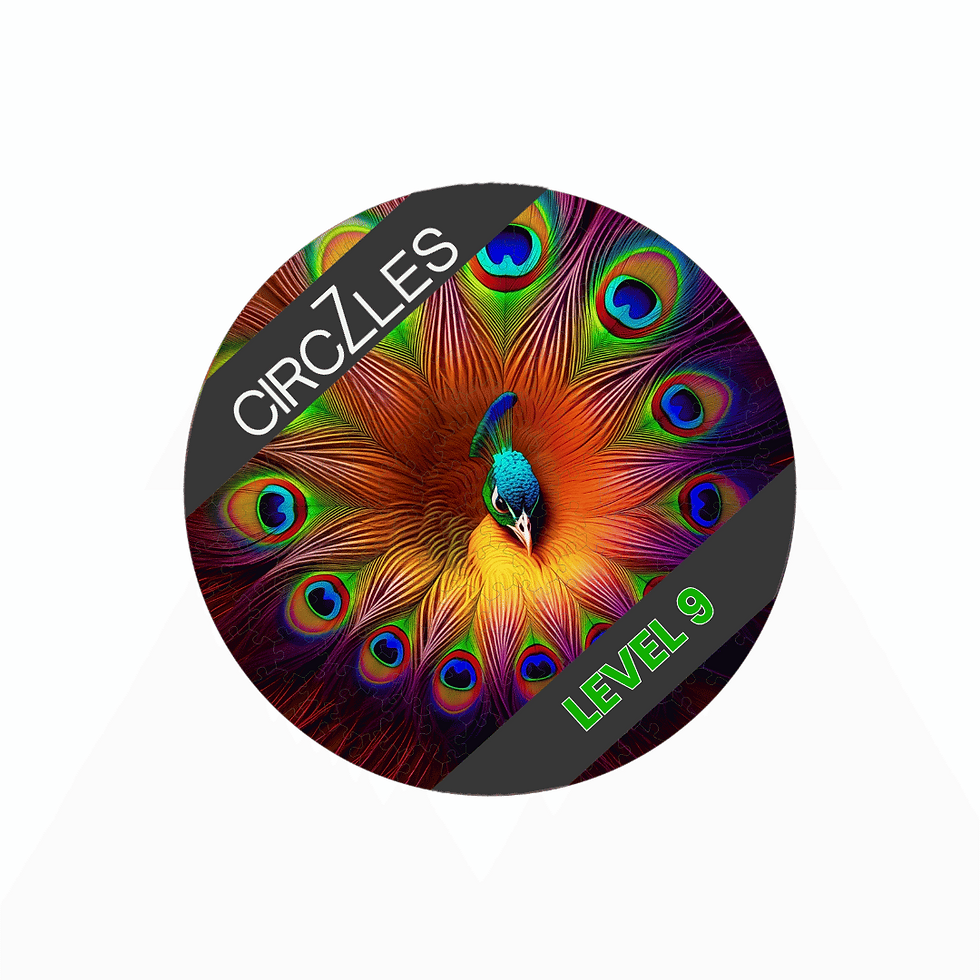
Circzles by Cogzart: circular wooden puzzles with hexagonal grid that demand presence—each piece fits only through attention, not autopilot.
Affirmative Coloring Books: Rhythmic coloring paired with affirmations and imaginative questions that quiet the inner noise.
Cogdoku: Sudoku that trains pattern recognition, working memory, and calm—mindful logic
Each tool anchors you in one physical, sensory action. No toggling, no tabs.

Designing Your Single-Task Routine
You don’t need to quit your job or go offline. You just need a few friction points that favor focus:
Morning Primer – Before you touch your phone, solve one Circzles pattern. It tells your brain, “focus first.”
Mid-Day Reset – After lunch, color a single section of your ACB. Use slow strokes to sync breath and motion.
Evening Cool-Down – Do one gentle Cogdoku mini-grid (5–7 minutes): slow, steady placements to downshift the brain and end the day calm.
Micro-rituals like these re-train attention in under 10 minutes a day.
From Burnout to Brain Balance
Chronic overload keeps your nervous system stuck in fight-or-flight. Single-tasking, especially with hands-on tools, activates rest-and-restore responses—lowering heart rate and calming cortisol.
Cogzart’s preventive philosophy is simple:
Don’t wait for burnout to recover focus; practice focus to prevent burnout.
With every piece you place or line you color, you’re not escaping work—you’re re-training your brain to handle it better.
Focus as a Form of Self-Care
Self-care isn’t always bubble baths and vacations. Sometimes it’s staying with one task, one color, one moment.
That’s the Cogzart difference: creativity as cognitive care.
Because true calm doesn’t come from escape, it comes from attention well spent.
Citations:
Stanford University (2010) – Multitasking reduces efficiency and increases stress and errors.
Frontiers in Human Neuroscience (2018) – Single-focus tasks boost alpha waves and relaxation.
Frontiers in Psychology (2016) – Art-making for 45 minutes lowered cortisol in 75% of participants.






Comments