


From Frazzled to Focused: How Tactile Play Rewires the Adult Brain

From Frazzled to Focused: How Tactile Play Rewires the Adult Brain
Modern adulthood feels like a constant mental tug-of-war. Emails, deadlines, family demands, endless scrolling, your brain rarely catches a breath. The result? A frazzled mind that struggles to focus, reset, or feel present.
But the solution isn’t always digital detoxes or discipline. Sometimes, it’s as simple as returning to the most natural human action: touch.
At Cogzart, we design tools that use tactile play to quiet chaos and train focus—because adults need play just as much as children, only for very different reasons.
The Adult Brain Is Overstimulated, Not Overwhelmed
Contrary to popular belief, adults don’t lose focus because they’re weak or unfocused. They lose focus because their brain is overstimulated, constantly switching between tasks, screens, thoughts, and responsibilities.
This high input/low recovery cycle burns through dopamine, drains working memory, and overloads the prefrontal cortex (the center for planning and attention).
To restore clarity, the brain needs sensory grounding, not more cognitive load.
Why Tactile Play Works (According to Neuroscience)
When your hands engage in structured, repetitive, physical activity, something remarkable happens: your brain shifts from scattered thinking to controlled, rhythmic attention.
Tactile play activates:
The sensorimotor cortex (grounding your mind in the present)
The dopamine reward loop (boosting motivation and mood)
The parasympathetic nervous system (reducing stress and anxiety)
A Frontiers in Psychology study found that 45 minutes of art-making lowers cortisol, the body’s primary stress hormone. This is why tactile engagement feels instantly calming—even for adults who “don’t have time.”
How Circzles Turns Stress Into Flow
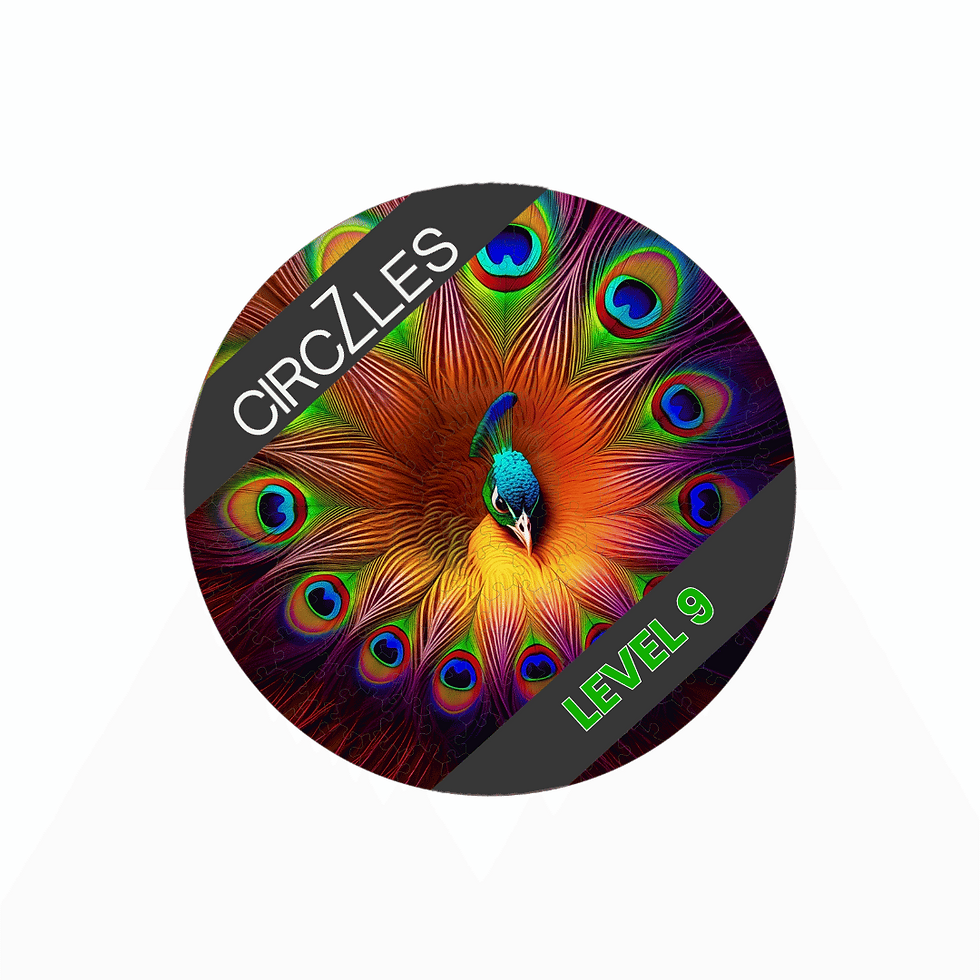
Circzles, Cogzart’s modular wooden puzzle system, is designed to help adults transition effortlessly from chaos to focus.
The geometric patterns invite slow, intentional movement
Each fit and rotation offers micro-rewards
The challenge rises gently across the Chromatic Scale:
Initiation → Illumination → Obsession → Hardcore → Extreme Bondage
You’re not just solving a puzzle—you’re training your attention to stay with one task long enough to enter flow.
That’s focus in its purest, most restorative form.

Coloring for Calm: ACBs as a Mental Reset
Cogzart’s Affirmative Coloring Books (ACBs) offer a non-intimidating entry into tactile calm. The rhythmic motion of coloring slows mental chatter, while the embedded affirmations shift emotional tone.
Coloring works because it:
Creates predictable patterns (lowering anxiety)
Encourages slow breath through slow stroke
Taps into the brain’s need for visual coherence
Offers a break from screens without effort
It’s not “childish.” It’s cognitive hygiene.
From Frazzled to Focused; In Minutes a Day
Tactile play fits easily into even the busiest adult routine:
Build one Circzles pattern before work
Color one motif during your afternoon slump
Track your level on the Chromatic Scale
These tiny rituals rewire your brain to slow down, focus deeper, and recover faster, no screens, no apps, no pressure.
Citation:
Tactile training improves sustained attention in young adults
“This study explores whether closed-loop tactile training can improve sustained attention in young adults, showing that sensorimotor training enhances attentional performance.” MDPI
Puzzle-solving supports multiple cognitive abilities in adults
“Engaging with brain teasers—such as Sudoku or jigsaw puzzles—allows adults to sharpen their minds by challenging problem-solving and pattern recognition skills.” Case Western Reserve University+1




Comments