


Calm, Not Numb: Building Emotional Resilience Without Numbing Out
Updated: Dec 8, 2025

Calm, Not Numb: Building Emotional Resilience Without Numbing Out
When life gets overwhelming, many people mistake shutting down for calming down. They disconnect, scroll endlessly, withdraw, or distract themselves until the feelings fade. It looks like peace from the outside, but inside, the emotional load stays unprocessed.
Real calm isn’t numbness.
Real calm is capacity; the ability to feel, stay present, and respond with clarity.
That’s what emotional resilience truly means, and it’s something you can build every day. Cogzart’s tools are designed for this: tactile, grounding, and gentle enough to meet your emotions where they actually are.
Numbing vs. Calming: They Look Similar, But Aren’t
Numbing is avoidance.
Calm is awareness.
When you numb out, you:
shut down emotions
disconnect from your body
distract yourself with screens or routines
avoid what actually needs processing
When you calm down, you:
acknowledge the feeling
lower your physiological stress
stay connected to the moment
move through emotion, not around it
One closes you. The other strengthens you.
Emotional Resilience Is a Trainable Skill
Resilience isn’t a personality trait, it’s a practice.
It’s your brain’s ability to return to stability after stress.
Research shows that structured, sensory-based tasks help regulate the nervous system by slowing the breath, activating the parasympathetic system, and stabilizing the amygdala, the brain’s emotional alarm center.
In other words:
Your hands can help heal your mind.
This is why Cogzart focuses on tactile, screen-free interventions that allow emotions to settle instead of being suppressed.
How Tactile Play Supports Emotional Regulation

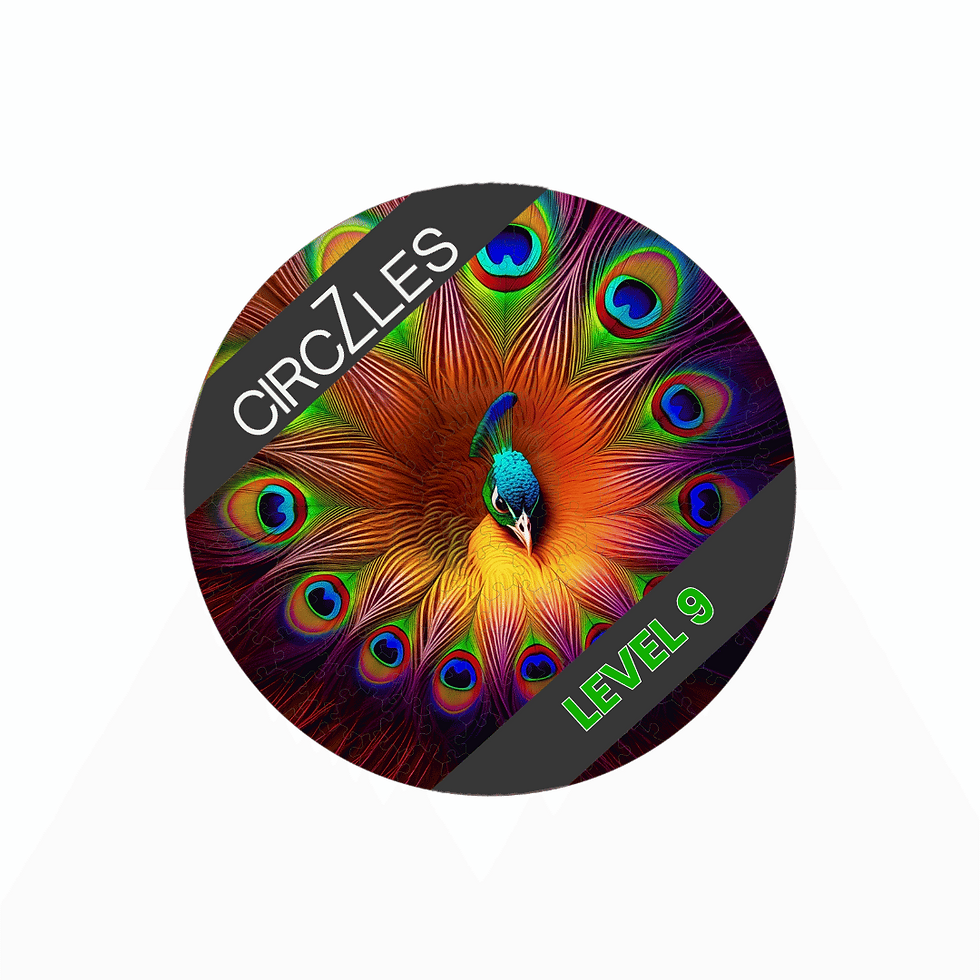
Circzles: Stress Into Structure
When your hands work through geometric patterns, your mind naturally slows. The repetitive motion pulls you out of spirals and brings order to the internal chaos.
The Chromatic Scale stages
Initiation → Illumination → Obsession → Hardcore → Extreme Bondage- provide a gentle challenge that keeps your brain engaged without overwhelming it.
Calm Is a Physiological State, Not a Personality Type
You’re not “bad at handling emotions.”
Your nervous system is overloaded, not broken.
Tactile tasks help you move from:
Fight-or-flight → Rest-and-restore
Overthinking → Grounded presence
Overload → Manageable clarity
This shift is what real resilience feels like:
not the absence of emotions, but the ability to stay steady while feeling them.
Emotional Resilience in Daily Life
You don’t need a long ritual to find calm. Just a consistent one.
Try integrating:
1 Circzles level after a stressful meeting
1 ACB motif when your mind feels tight or loud
1 Chromatic Scale check-in to understand your emotional trend
Over time, these small habits build the emotional “muscle” needed to handle life with strength instead of shutdown.
Citation:
Research from the American Psychological Association explains that avoidance-based coping (numbing, distraction, withdrawal) reduces emotional processing, while active regulation (breathing, grounding, sensory engagement) supports long-term resilience and mental stability.
A study by Kaimal et al. in Frontiers in Psychology found that 45 minutes of art-making significantly lowered cortisol in 75% of adults, regardless of artistic skill — supporting your claim that coloring and tactile creativity help stabilize emotions.




Comments