


Boredom and Creativity: Why Unplugged Moments Grow Better Ideas
- Dec 19, 2025
- 3 min read

Boredom and Creativity: Why Unplugged Moments Grow Better Ideas
We treat boredom like a flaw, something to escape instantly with a swipe, scroll, or tap. But boredom isn’t the enemy. It’s the beginning of imagination. In a world of endless stimulation, feeling “bored” is often the moment your brain finally gets room to breathe, reset, and connect dots in new ways. Boredom and creativity go hand in hand, and in the silence of boredom, your brain starts to work its magic.
Creativity needs space, not noise. And unplugged moments, those small pockets of nothingness, are where the brain starts generating something. At Cogzart, we see boredom not as a gap to fill, but as a superpower waiting to be activated.
Why Your Brain Needs Boredom to Think Better
When you’re constantly entertained, your brain stays in reactive mode. It consumes information but rarely synthesizes it. Boredom and creativity are deeply connected because boredom shifts the brain into the default mode network, the region responsible for imagination, planning, introspection, and idea formation.
This is why your best ideas appear:
in the shower
on a walk
while doodling
or during “mindless” activities
Your brain finally stops absorbing and starts creating. Boredom and creativity aren’t opposites, they fuel each other.
Constant Stimulation Blocks Creativity
The problem isn’t that we’re uninspired; it’s that we never let ourselves get bored long enough for inspiration to surface.
Every time you reach for your phone at the slightest pause, you interrupt a creative process that was about to begin. The mind needs gentle emptiness, unstructured time, to wander, connect, and imagine.
Boredom and creativity thrive in this unstructured space. Unplugging isn’t about deprivation; it’s about giving your brain time to be brilliant.
How Tactile Play Turns Boredom Into Breakthroughs
This is where Cogzart’s tools become powerful.
Tactile play gives your brain a quiet rhythm, a light anchor, while still leaving enough cognitive space for ideas to bubble up.
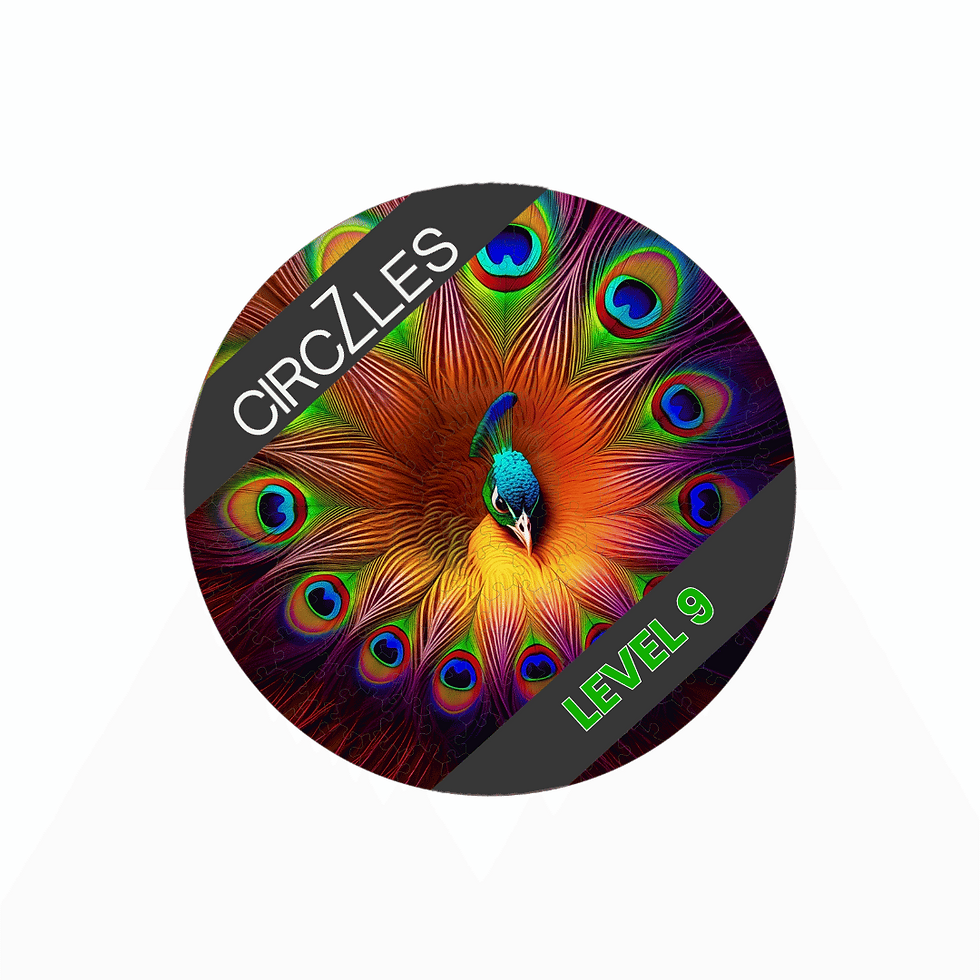
Circzles: The Slow-Burn Creativity Switch
When your hands follow geometric patterns, your mind drifts just enough to spark new thoughts. The Chromatic Scale stages—from Initiation (yellow) to Extreme Bondage (purple)—offer gentle challenge without mental overload. It’s structured enough to engage you, but loose enough for creativity to flow.
ACBs: Coloring as Mental Background Music
Coloring gives your mind a soft hum instead of a flood. The repetition, the color choices, the slow filling of shapes—all of it creates a mental state where ideas form naturally, without pressure. These are the moments where insights often appear: unforced, unexpected, and genuinely fresh.

Idle Hands, Active Mind
Adults often avoid boredom because it feels unproductive. But boredom is actually your brain preparing for its next leap.
When you pause, your neurons reorganize. When you unplug, your imagination wakes up. Boredom and creativity aren’t just compatible—they’re essential partners. Tactile play simply gives that process a place to land. Instead of numbing the mind, you nudge it—gently—into deeper, more original thought.
A Simple Ritual to Spark Ideas
Try ending your day with a few unplugged minutes:
Within minutes, you’ll notice thoughts aligning, problems softening, ideas forming. This is boredom turning into brilliance, where boredom and creativity intersect in the most magical ways.
Citation:






Comments