


Beyond Therapy: How Preventive Brain Training Redefines Self-Care in India
- Dec 1, 2025
- 3 min read
Updated: Dec 4, 2025

Train Your Brain Before You Treat It: A New Lens on Self-Care in India
In India, self-care often begins only after burnout has already taken hold. We fix the mind only when something feels “wrong.” But self-care isn’t meant to be an emergency response, it’s meant to be a rhythm.
We believe it’s time for India to adopt a new approach: train your brain before you treat it. Because mental wellness thrives on prevention, not panic.
India’s Self-Care Blind Spot
We invest in fitness routines, skincare rituals, sleep trackers, supplements, but barely anything for daily cognitive health.Meanwhile, stress, digital fatigue, and emotional overload keep rising.
The NIMHANS Mental Health Survey states that 1 in 7 Indians face mental health challenges, while over 80% never seek help. Not for lack of need, but lack of accessible, stigma-free habits.
Cogzart fills that gap with simple, tactile practices anyone can adopt.
Why Preventive Brain Training Works
Your brain adapts to what you repeatedly do. Small, hands-on creative actions strengthen focus, working memory, emotional balance, and stress tolerance—one micro-moment at a time.
A 2016 Frontiers in Psychology study showed that 45 minutes of art-making reduces cortisol in most participants. This isn’t just calming, it’s cognitive training.
Preventive brain care doesn’t require clinics. It requires consistency, repetition, and meaningful sensory engagement.
Cogzart’s Approach: Everyday Tools for Everyday Minds
Cogzart transforms mental fitness into screen-free rituals that fit easily into a busy Indian lifestyle.
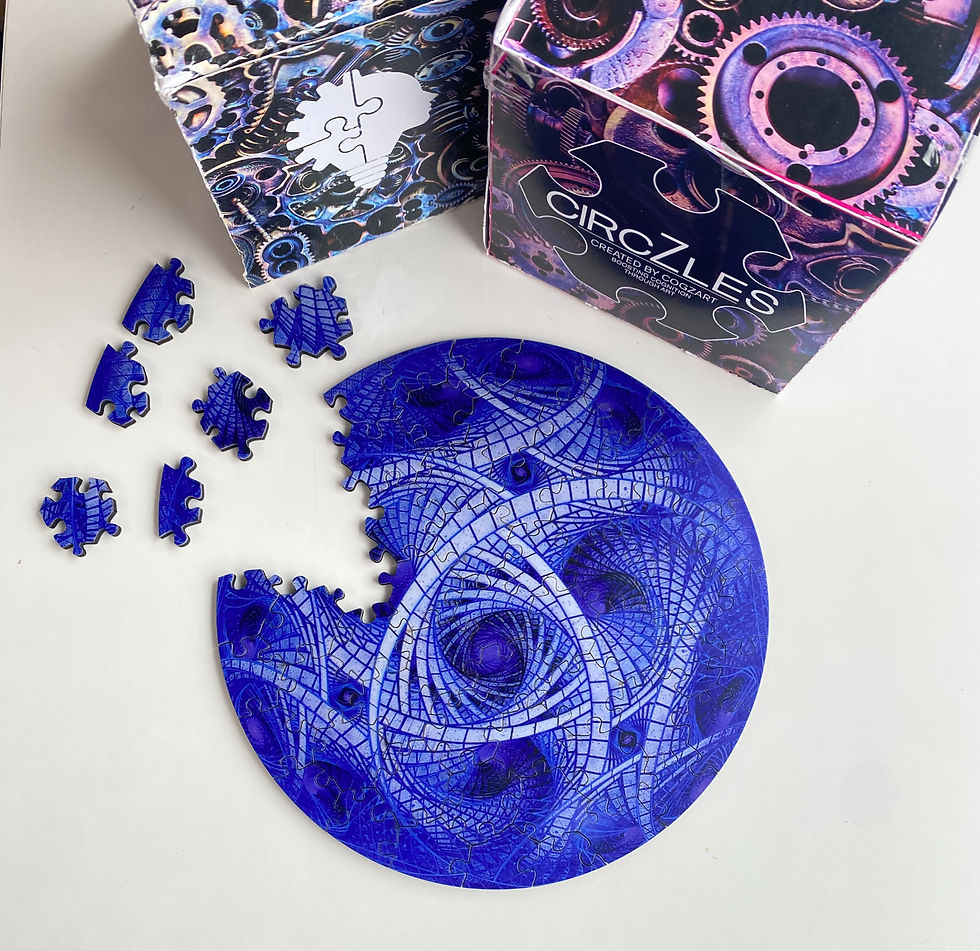
Circzles
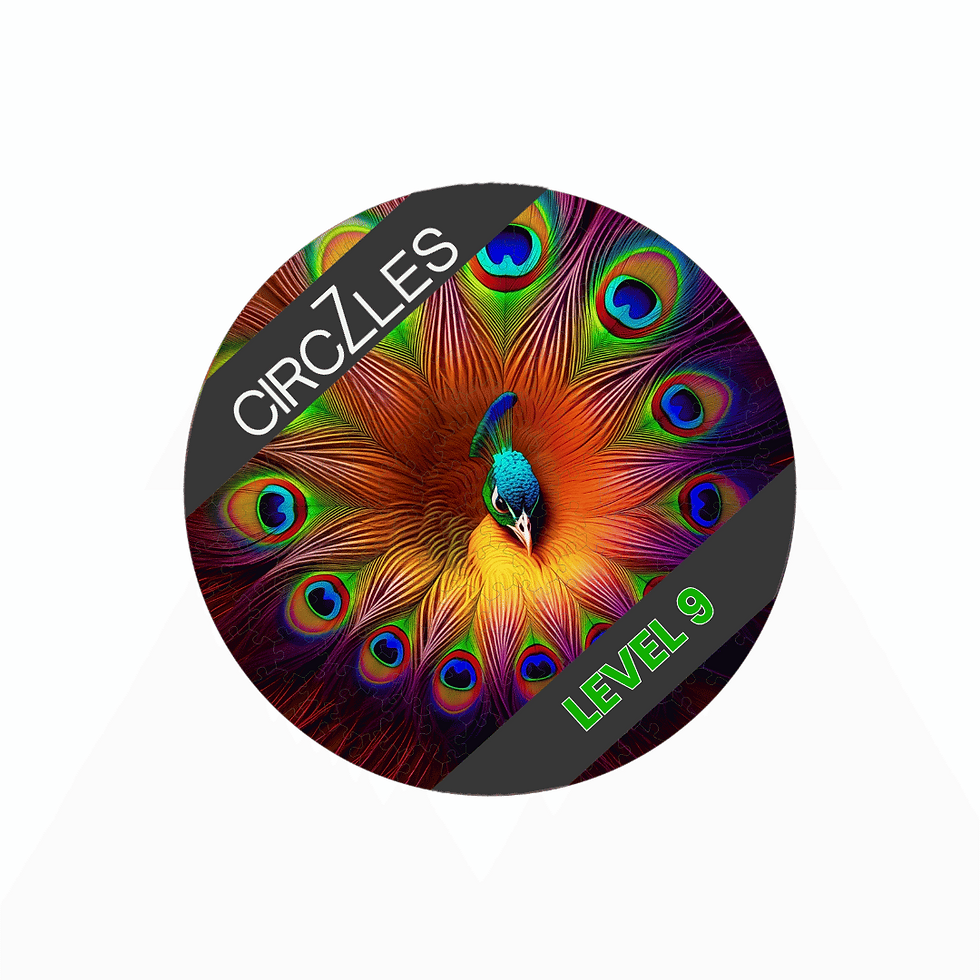
A modular wooden puzzle system designed to build focus through tactile flow. Progress follows the Chromatic Scale, moving through five difficulty stages: Initiation (Yellow) → Illumination (Green) → Obsession (Blue) → Hardcore (Red) → Extreme Bondage (Purple). Across 125 levels, Circzles trains patience, precision, and deep presence.
Affirmative Coloring Books (ACBs)
Stress relief through art—without the pressure of being “artistic.” Coloring becomes a rhythm for emotional clarity. Here too, the Chromatic Scale helps you self-evaluate your artistry and comfort level.
The Chromatic Scale
Cogzart’s color-coded progress framework for both Circzles and ACBs. It turns invisible growth into a visual journey—making improvement something you can see.
Why “Treating It Later” Isn’t Enough
Modern life keeps the brain in constant alert mode: notifications, deadlines, noise, and comparison. By the time symptoms show up, stress circuits are already deeply wired.
Preventive brain training creates a buffer—helping you bounce back faster, think clearer, and stay emotionally steady. It shifts self-care from crisis management to daily maintenance.
How It Fits Naturally Into Indian Life
Preventive cognitive care doesn’t need an hour. It needs intention.
Try:
One Circzles pattern before opening your laptop
One ACBs colored during a midday slump
A quick Chromatic Scale check-in before bed
Tiny rituals. Tangible results. No stigma. No screens.
A New Self-Care Culture for India
Self-care in India must evolve beyond spa days and supplements. It must include mind care gentle, joyful, daily mind care.
Cogzart’s philosophy is simple: You train your body to stay fit. You can train your brain the same way.
Citations
Mental health in India is widespread, and the treatment gap is huge.
The National Mental Health Survey of India (2015–16), led by NIMHANS, found that around 13.7–15% of Indian adults live with a diagnosable mental disorder, and the treatment gap for common mental disorders is estimated to be 70–92%, meaning the majority receive no formal support. indianmhs.nimhans.ac.in+2Ministry of Health and Family Welfare+2
Chronic stress literally reshapes the brain.
Neuroscience research shows that long-term stress can alter the structure and function of key brain regions like the hippocampus and prefrontal cortex—areas responsible for memory, focus, and emotional regulation—leading to cognitive deficits and reduced resilience over time. Open Access Journals+1






Comments