


What Are the Benefits of Offline Brain Games for Your Mind?

Modern life offers endless information, yet many people search for experiences that feel calming, creative, and mentally rewarding. This is where the benefits of offline brain games become meaningful, because hands-on puzzles invite focus, curiosity, and active problem-solving in a natural way.
That search often leads to physical puzzles and creative problem-solving activities. Unlike passive entertainment, these experiences invite attention, observation, and discovery. Every piece placed correctly creates a moment of progress that feels satisfying and memorable.
Benefits of Offline Brain Games for Everyday Thinking
The mind enjoys challenges when they arrive in a clear and structured format.
Hands-on puzzle experiences encourage people to notice details, recognise patterns, and connect information in new ways. These moments of discovery create a sense of involvement that keeps attention naturally engaged.
Many adults enjoy these activities because they offer:
Focused concentration
Creative thinking opportunities
Pattern recognition practice
Meaningful screen-free recreation
A sense of accomplishment through progress
These are some of the most appreciated benefits of offline brain games among puzzle enthusiasts and lifelong learners.
Why Physical Puzzles Create Deeper Engagement
Physical interaction adds an extra layer to the experience.
When hands, eyes, and attention work together, the activity feels more immersive. Shapes, colors, textures, and visual relationships become part of the challenge.
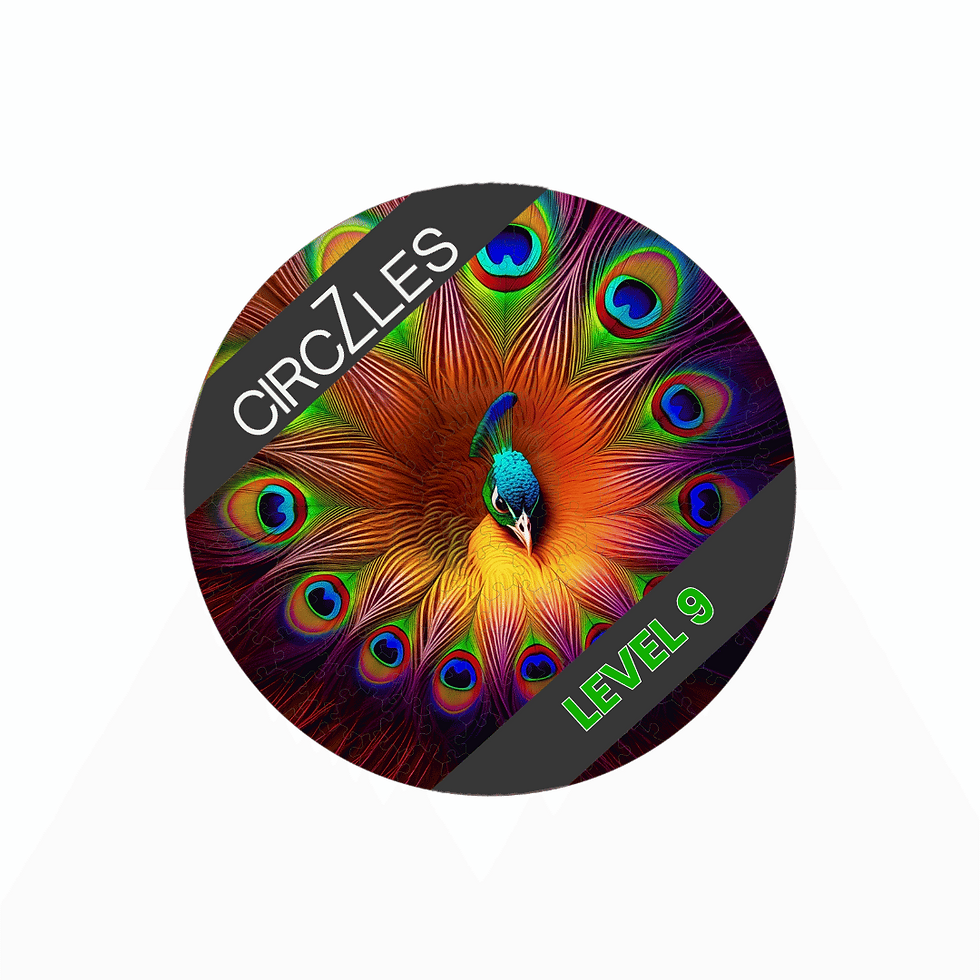
Products such as circular puzzles, artistic wooden designs, and level-based puzzle collections transform problem-solving into an experience that feels creative rather than repetitive.
Each completed section reveals a new perspective, encouraging curiosity throughout the journey.
A Creative Way to Refresh Focus
Attention often performs best when it has one clear destination.
A thoughtfully designed puzzle provides exactly that.
As pieces connect and patterns emerge, the mind settles into a rhythm of observation and exploration. Many people describe this feeling as deeply engaging because it combines concentration with creativity.
CircZles Collections inspired by art, geometry, and visual storytelling add another layer of interest, making each session feel fresh and rewarding.
Small Wins That Build Mental Momentum
Large goals often begin with small victories.
Every solved section, discovered pattern, or completed design creates a visible sign of progress. These moments generate momentum and encourage continued engagement.
This is one reason why puzzle-based activities remain popular across different age groups. The challenge feels achievable while still offering enough complexity to remain interesting.
The journey itself becomes part of the reward.

Choosing Activities That Feel Meaningful
The most memorable leisure activities combine enjoyment with purpose.
Beautifully crafted puzzle experiences provide an opportunity to explore creativity, strengthen attention, and enjoy a refreshing break from daily routines. Platforms such as CogZart bring together artistic design and cognitive engagement, creating experiences that feel both inspiring and intellectually rewarding.
Whether exploring geometric patterns or intricate visual themes, every puzzle becomes an invitation to think differently.
Conclusion
Meaningful challenges have a unique way of capturing attention. They invite curiosity, encourage exploration, and create moments of discovery that stay with us long after the final piece is placed.
Activities that engage the mind through creativity and focused problem-solving offer a refreshing way to spend time while nurturing mental sharpness and enjoyment.
Explore CogZart’s artistic puzzles and give your mind a fresh, focused challenge.
Citations:
National Institute on Aging – Cognitive Health and Older Adultshttps://www.nia.nih.gov/health/cognitive-health-and-older-adults
Harvard Health Publishing – Keeping Your Brain Healthyhttps://www.health.harvard.edu/mind-and-mood/6-ways-to-keep-your-brain-sharp
National Library of Medicine – Leisure Activities and Cognitive Functionhttps://pmc.ncbi.nlm.nih.gov/articles/PMC6940657/




Comments