


Are Puzzles Good for Mental Health? A Calm Way to Refresh the Mind

A quiet puzzle table can change the rhythm of the day. Are puzzles good for mental health? Many people ask this because puzzles create a rare mix of calm, focus, curiosity, and achievement. Each piece invites the mind to slow down, observe, and enjoy progress in a simple, hands-on way.
Are Puzzles Good for Mental Health?
Puzzle play encourages the brain to stay present. The eyes search for visual clues, the hands test shapes, and the mind connects patterns. This steady process creates a peaceful flow that feels both relaxing and mentally active.
For adults, puzzles can become a refreshing break from busy routines. They bring attention back to one clear task and offer a satisfying sense of movement with every small success.
How Puzzle Play Creates Calm Focus
A good puzzle gives the mind something meaningful to explore. Instead of fast stimulation, it offers slow discovery. Colors, curves, symbols, and shapes guide attention naturally.
During a puzzle session, the mind practices:
Pattern recognition
Visual reasoning
Spatial awareness
Patient decision-making
Creative problem solving
Focused attention
These skills grow through enjoyment, making puzzle time feel rewarding and purposeful.
Why Artistic Wooden Puzzles Feel Meaningful
Wooden puzzles add texture, weight, and beauty to the experience. The pieces feel grounded in the hand, and the artwork brings emotion into the challenge.
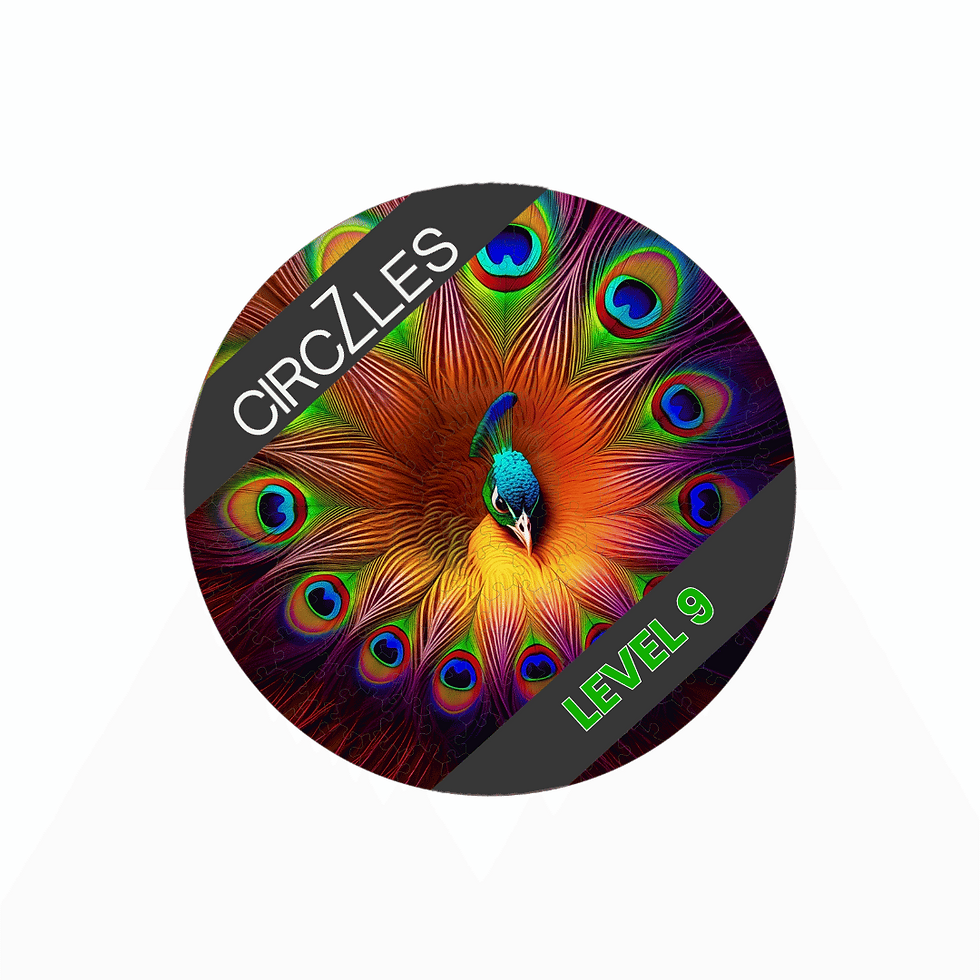
CogZart uses circular formats, hexagonal grids, and symbolic artwork to make each puzzle feel like a small world waiting to be explored. Designs such as Folklore, Peacock, Midnight Bazaar, and Abyss invite solvers to rotate pieces, follow visual stories, and discover details layer by layer.
This blend of art, touch, and thinking creates a mindful experience that feels personal and memorable.

Simple Ways to Make Puzzles a Mindful Habit
Puzzle time fits beautifully into everyday routines. A few focused minutes can bring clarity, creativity, and a sense of calm progress.
Try using puzzles during:
Evening wind-down time
Weekend relaxation
Family bonding moments
Creative screen-free breaks
Morning focus rituals
The answer to Are puzzles good for mental health? becomes clearer through experience. A thoughtful puzzle can turn quiet time into a gentle mental reset filled with curiosity, patience, and satisfaction.
Begin your next mindful moment with CogZart’s artistic puzzles.
Citations:
1. Mental Health Foundation – How to Look After Your Mental Health Using Exercise and Activities https://www.mentalhealth.org.uk/explore-mental-health/publications/how-look-after-your-mental-health-using-exercise
2. Harvard Health Publishing – Simple Ways to Keep Your Mind Sharp https://www.health.harvard.edu/mind-and-mood/simple-ways-to-keep-your-mind-sharp




Comments