


Activities to Reduce Stress: Simple, Science-Backed Ways to Calm Your Mind Daily
- Mar 2
- 3 min read

Stress has quietly become a default state for many adults. Long work hours, constant notifications, and limited meaningful downtime keep the nervous system stuck in “on” mode. While stress is a natural response, chronic stress isn’t—and unmanaged, it impacts focus, sleep, emotional regulation, and long-term health.
The good news? You don’t need drastic lifestyle changes to reduce stress. Small, intentional activities—done consistently—can bring the nervous system back into balance.
Below are practical, science-backed activities to reduce stress, designed for real life, busy schedules, and modern attention spans.
1. Tactile Activities That Anchor the Mind
When stress rises, thoughts race. One of the fastest ways to interrupt this loop is to engage the sense of touch.
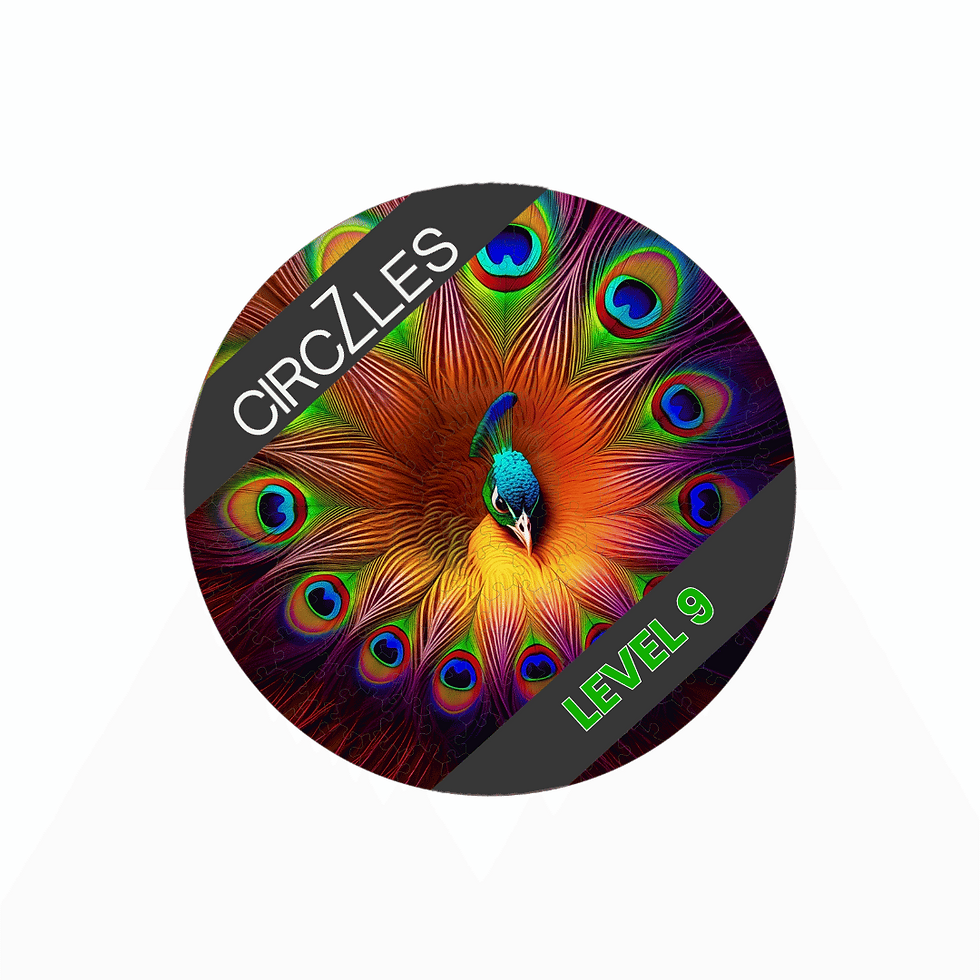
Activities that involve your hands—like puzzles, colouring, clay modeling, or wood working—activate parts of the brain linked to focus and emotional regulation. Research shows that tactile engagement can lower cortisol (the stress hormone) and promote a state similar to mindfulness.
Why it works:
Shifts attention away from rumination
Encourages present-moment awareness
Creates a calming, repetitive rhythm for the brain
Even 5–10 minutes of a hands-on activity can help reset your mental state.
2. Low-Pressure Creative Expression
You don’t need to be “artistic” to benefit from creativity. Stress reduces when creativity is process-focused, not outcome-focused.
Simple activities include:
Adult coloring
Free-form doodling
Journaling without prompts
Playing with colors or patterns
Studies in behavioral psychology suggest that creative expression helps regulate emotions, reduces anxiety, and improves mood—especially when there’s no pressure to perform or produce something “perfect.”
The key rule: Create for relief, not results.
3. Movement That Calms (Not Exhausts)
High-intensity workouts are great—but they’re not always ideal when stress levels are already high.
Gentler movement helps the nervous system downshift:
Walking without headphones
Light stretching
Yoga or mobility flows
Slow cycling
These activities support parasympathetic activation (the “rest and digest” response), which helps the body recover from prolonged stress.
Tip: Pair movement with nature when possible—green spaces amplify the stress-reducing effect.

4. Screen-Free Breaks for Cognitive Recovery
One of the biggest contributors to modern stress is continuous screen exposure. Even during “breaks,” many people scroll—keeping the brain overstimulated.
Try replacing one scrolling break per day with:
A short puzzle
Coloring a single page
Writing three thoughts on paper
Quietly observing your surroundings
These screen-free paus allow the brain to recover instead of react, improving focus and emotional resilience over time.
Some cognitive wellness platforms, such as CogZart, explore how structured, screen-free creative play can support stress reduction and mental fitness through tactile engagement and art-based tools.
5. Shared Activities That Reduce Emotional Load
Stress often intensifies in isolation. Light, shared activities reduce emotional burden without requiring deep conversation.
Examples:
Solving a puzzle together
Casual board or card games
Collaborative creative tasks
Group coloring or building activities
Shared problem-solving and play increase oxytocin (the connection hormone), which naturally counters stress and anxiety.
This is especially useful in workplaces and families where verbal expression of stress feels difficult.
6. Short, Consistent Rituals Over Big Changes
The most effective stress-reduction activities are the ones you’ll actually repeat.
Instead of aiming for:
One long meditation session per week
Try:
5 minutes of a calming activity every day
Consistency trains the nervous system to return to baseline faster after stress spikes.
Examples of daily micro-rituals:
Coloring one small section
Completing part of a puzzle
Writing one sentence in a journal
Sitting quietly with a tactile object
Citations:
American Psychological Association – Stress Management Tips
National Center for Complementary and Integrative Health (NCCIH) – Mind-Body Approaches for Stress






Comments